Why This Fails Locally
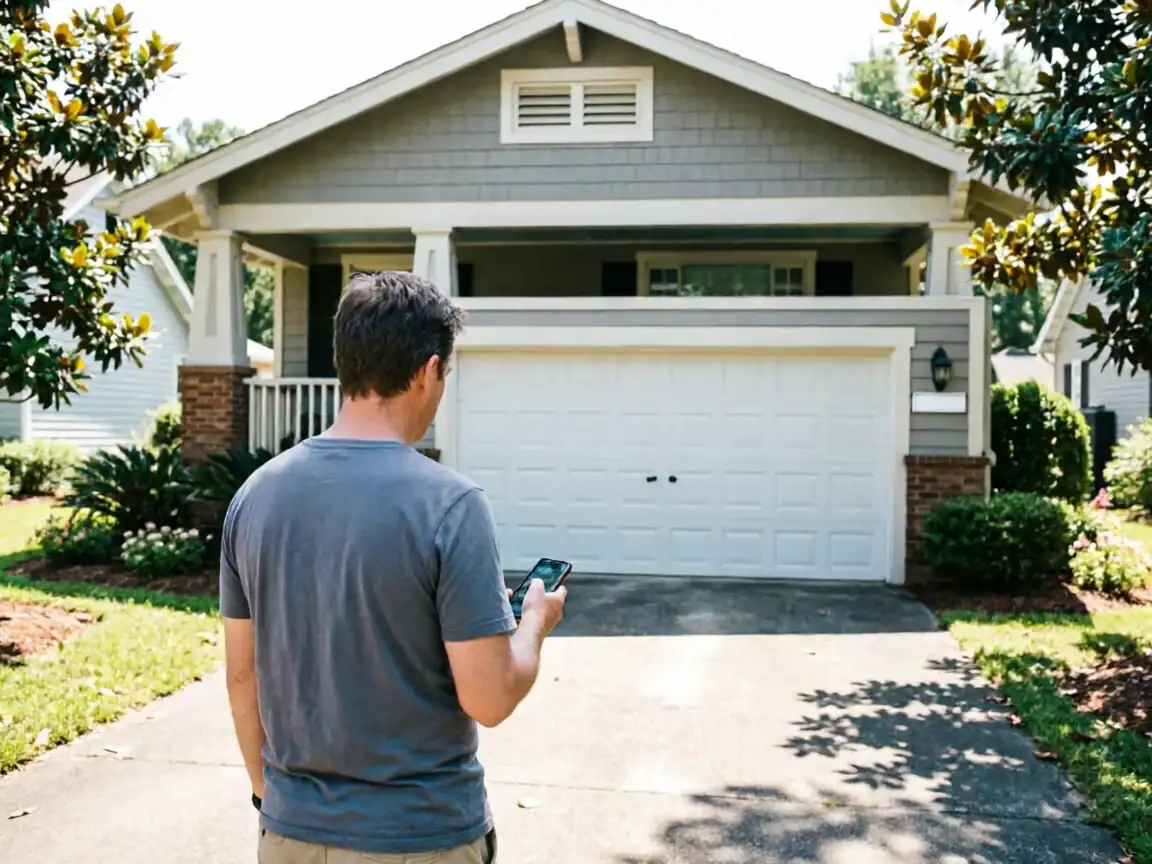
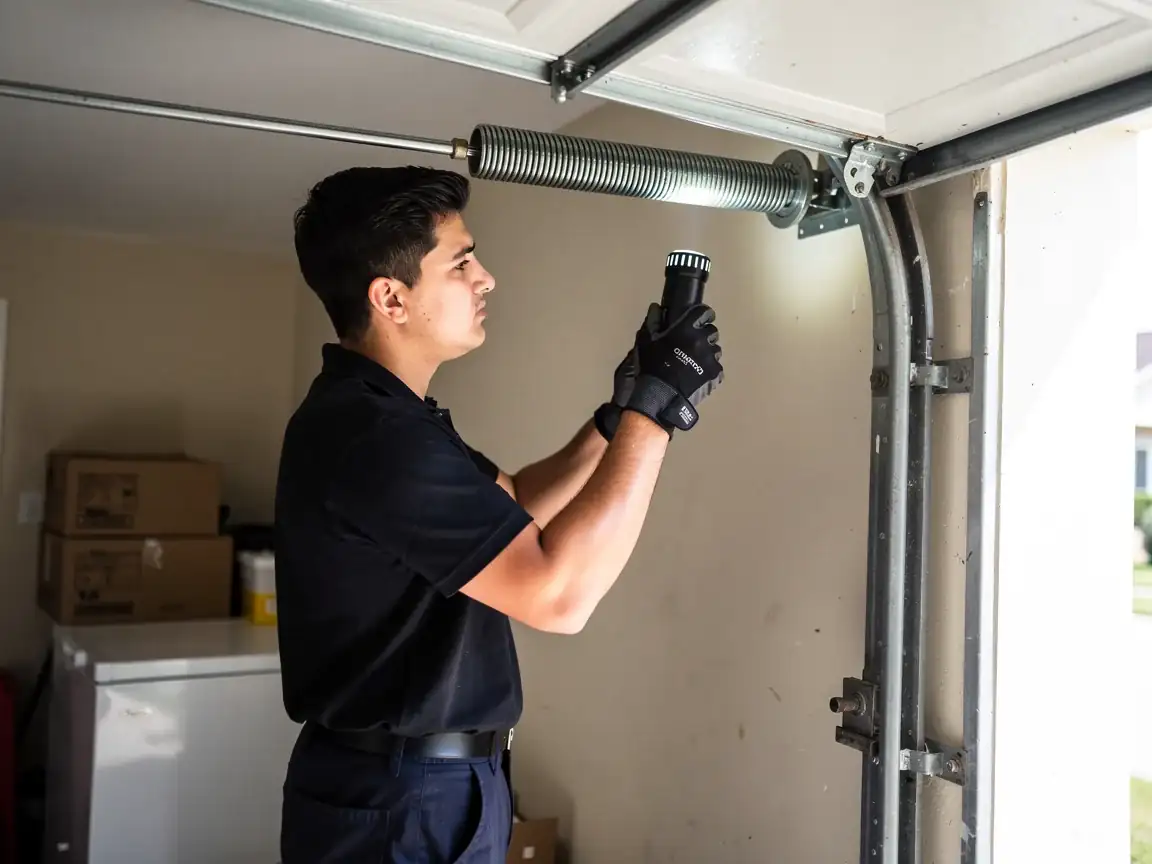
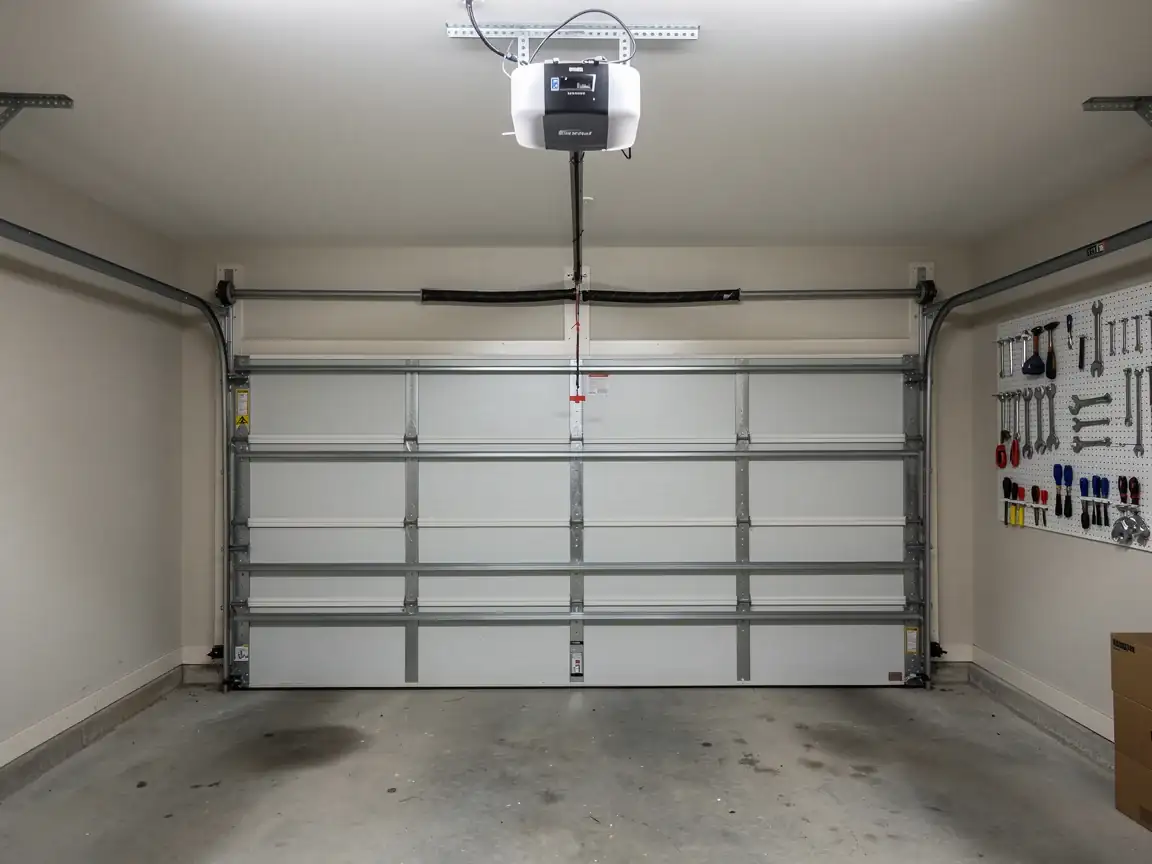
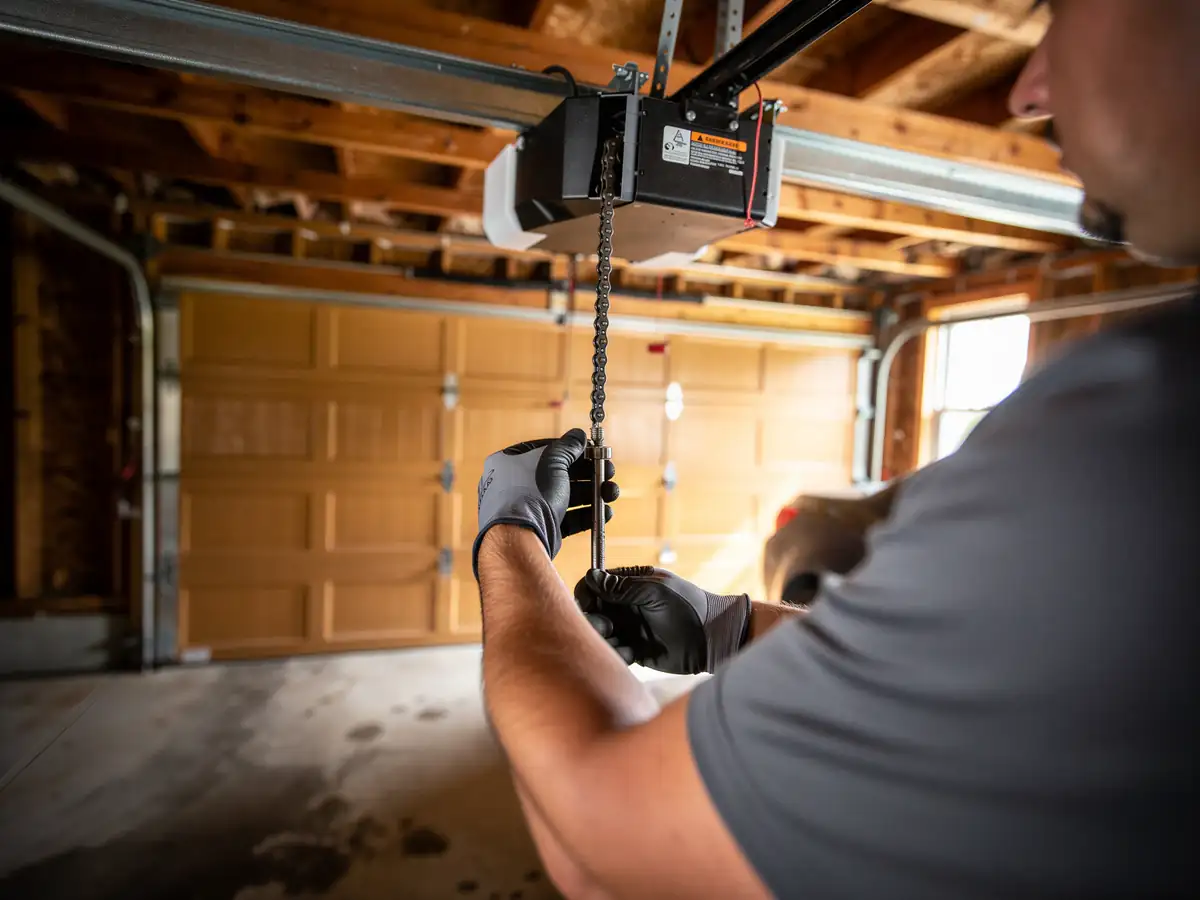
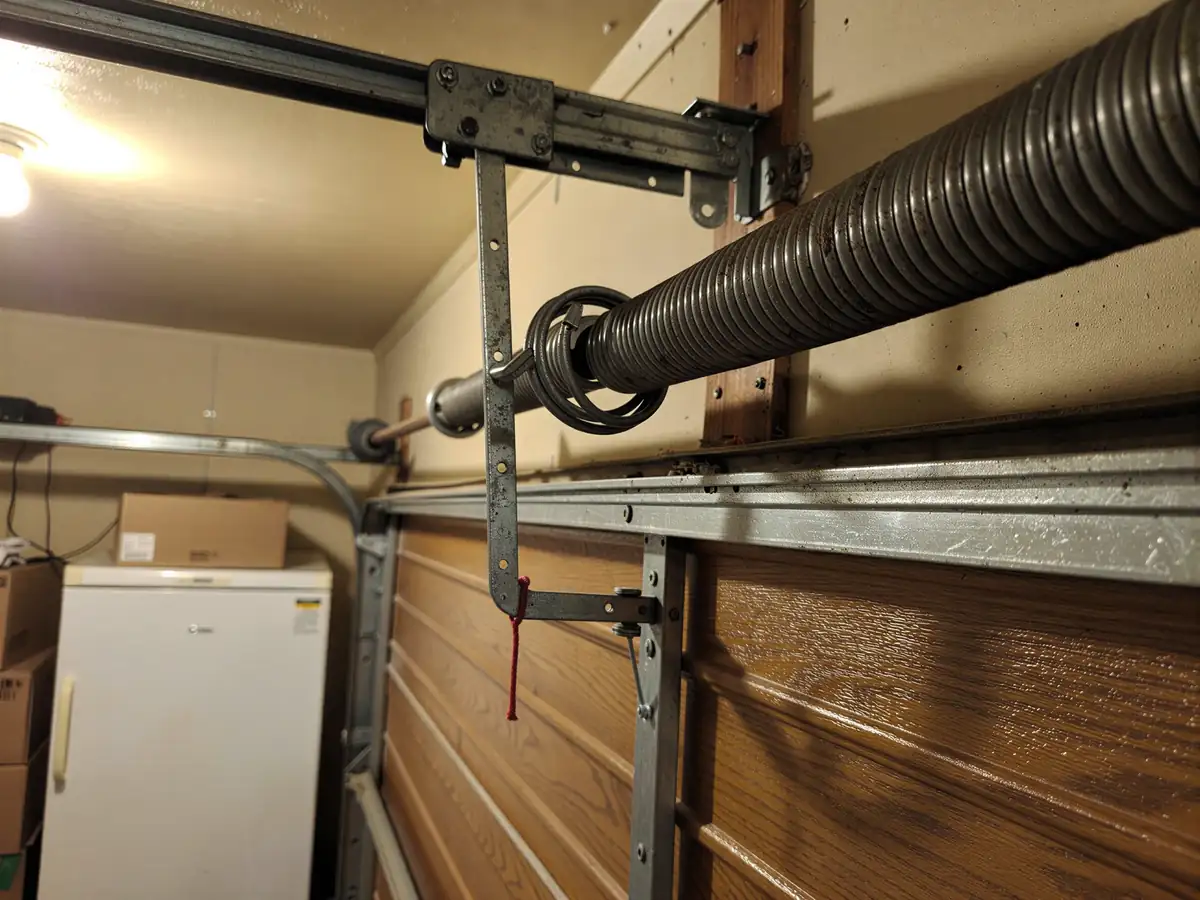
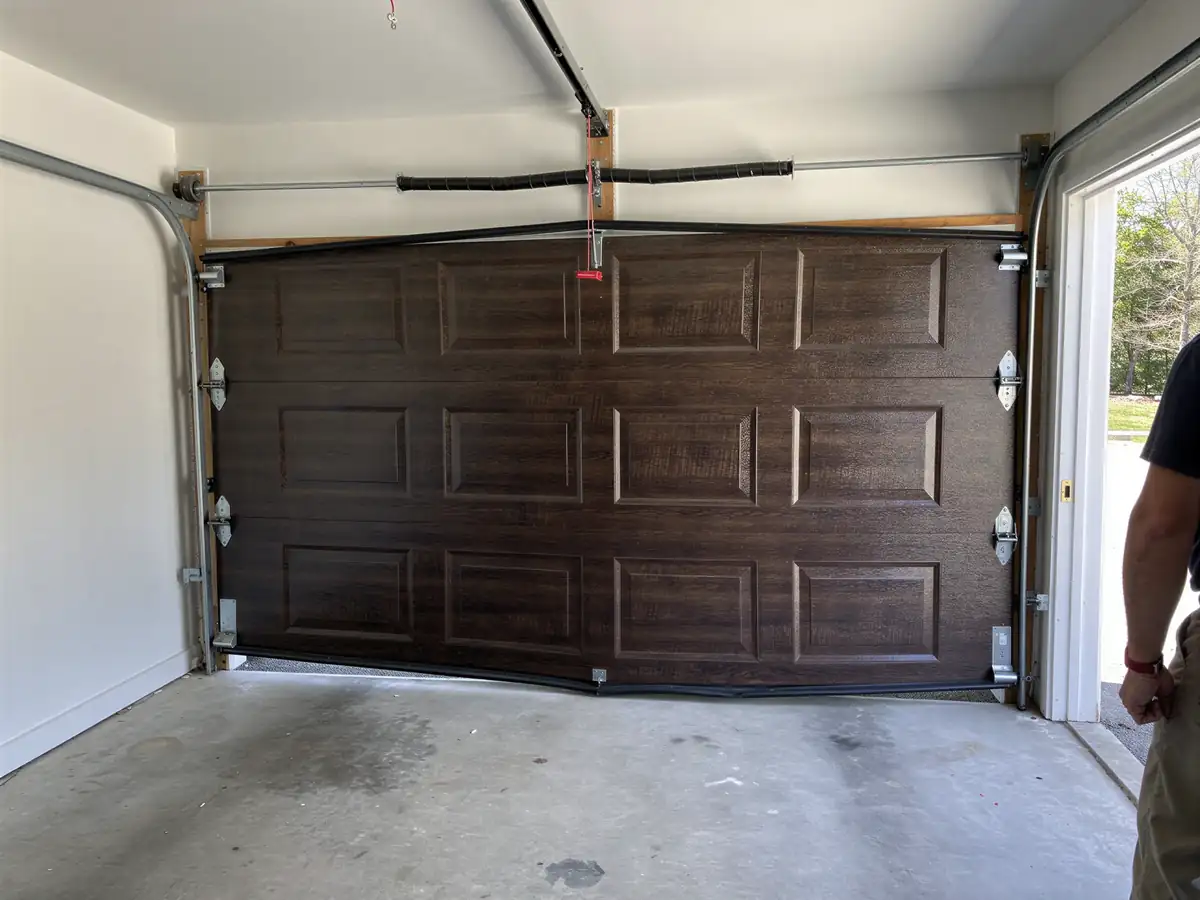
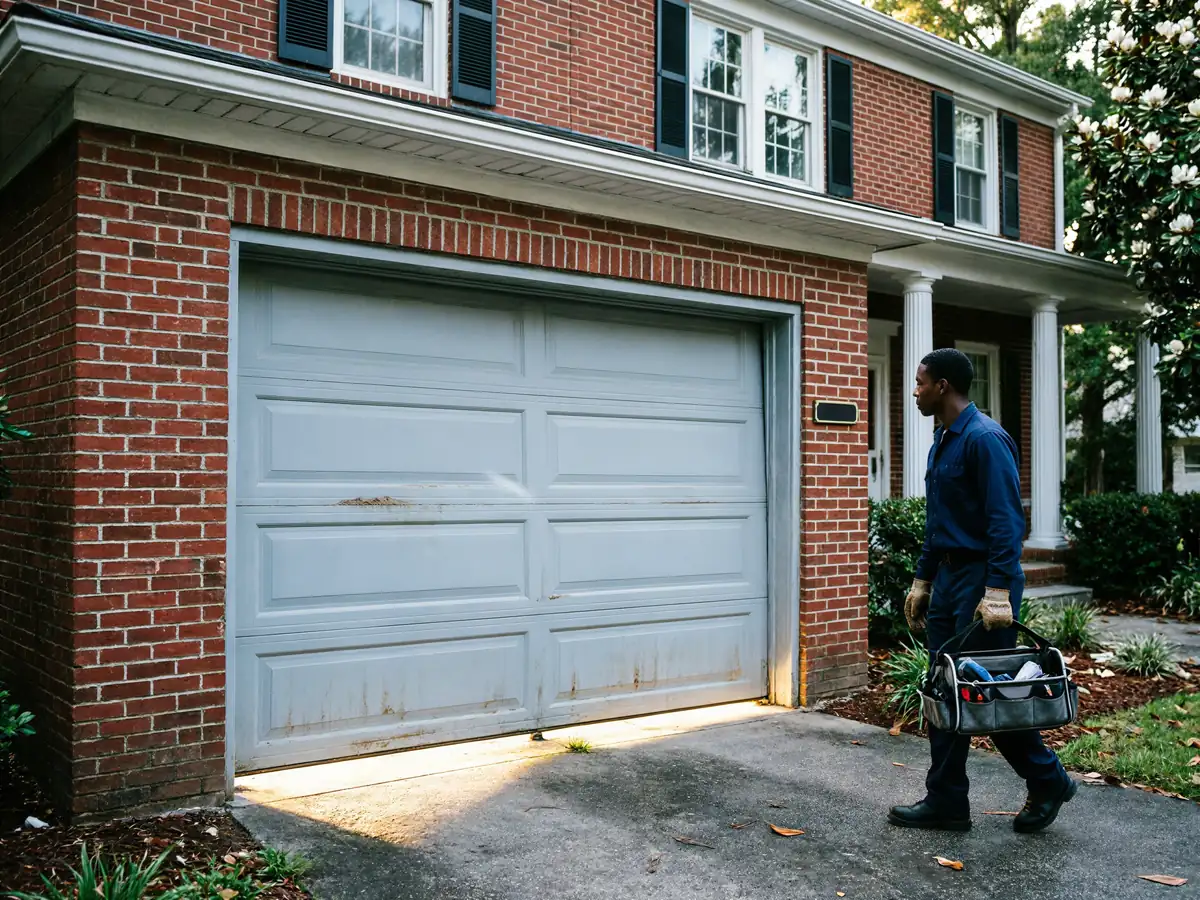
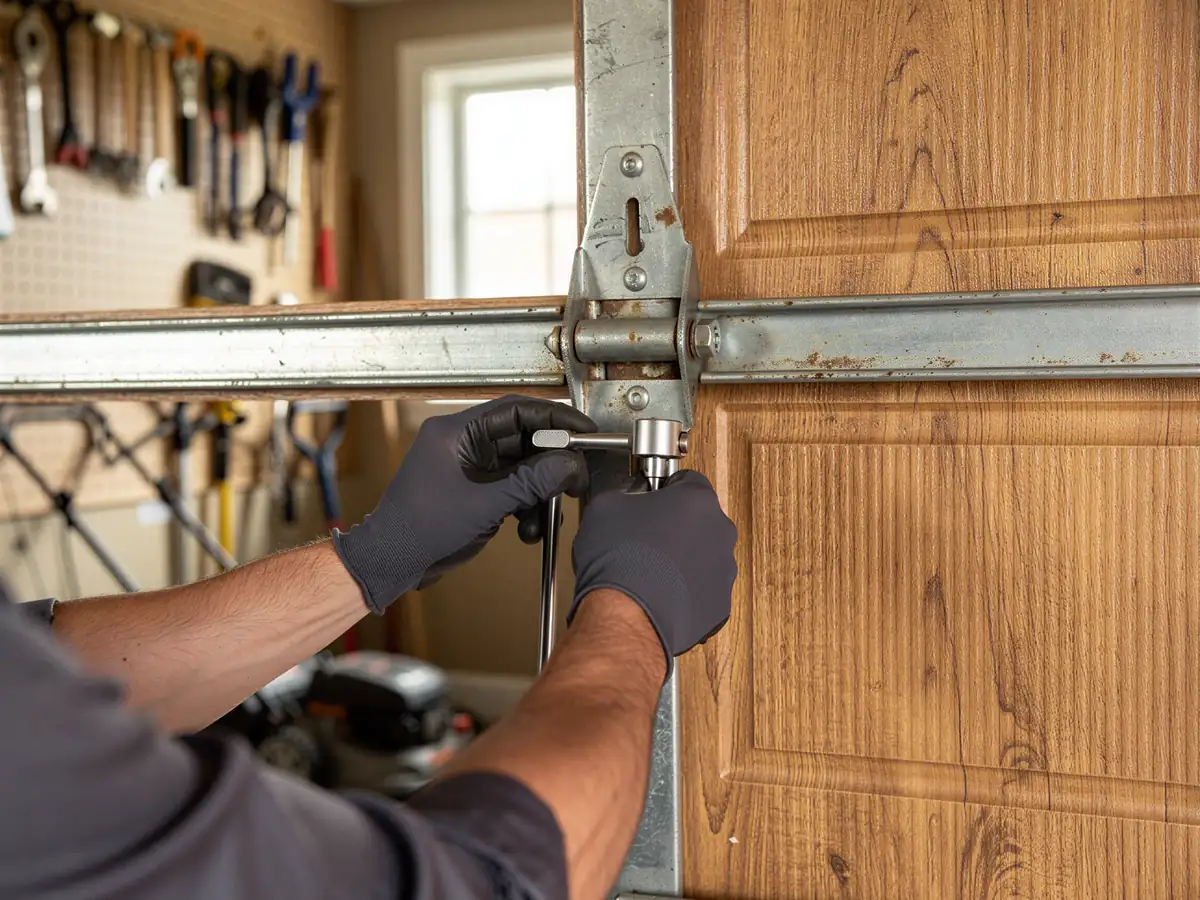
Most of Scottdale's houses went up around 1984, a few years past the 1978 median for the wider Snellville service area we cover. That gap matters more than it sounds. Doors from that build window usually came with chain-drive openers running early circuit boards, mounted over steel sectional doors on extension springs rather than the torsion bars you'd find on newer construction. The gears in those first-generation chain drives wear down to a fine metal dust after enough winters, and the safety cables on the extension springs - the ones that keep a snapped spring from whipping across the garage - corrode quietly where nobody looks. Add the region's cold-moderate climate and you get steel tracks that contract a little every winter night, just enough to walk a roller off its rail over a few seasons. None of this is dramatic. It's slow wear on hardware that was decent when it went in and is now pushing forty years old, which is exactly the age where a door stops giving warning and just quits.
How Long You Are Without the Door
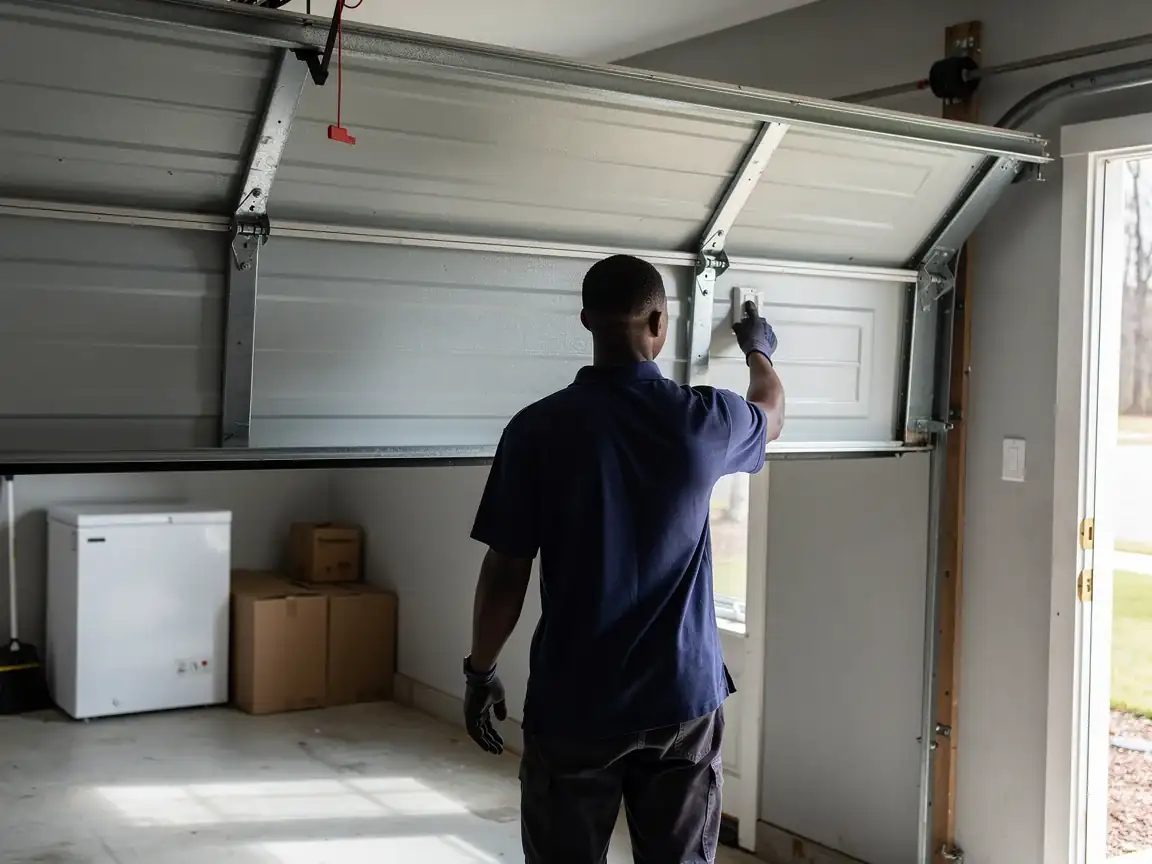
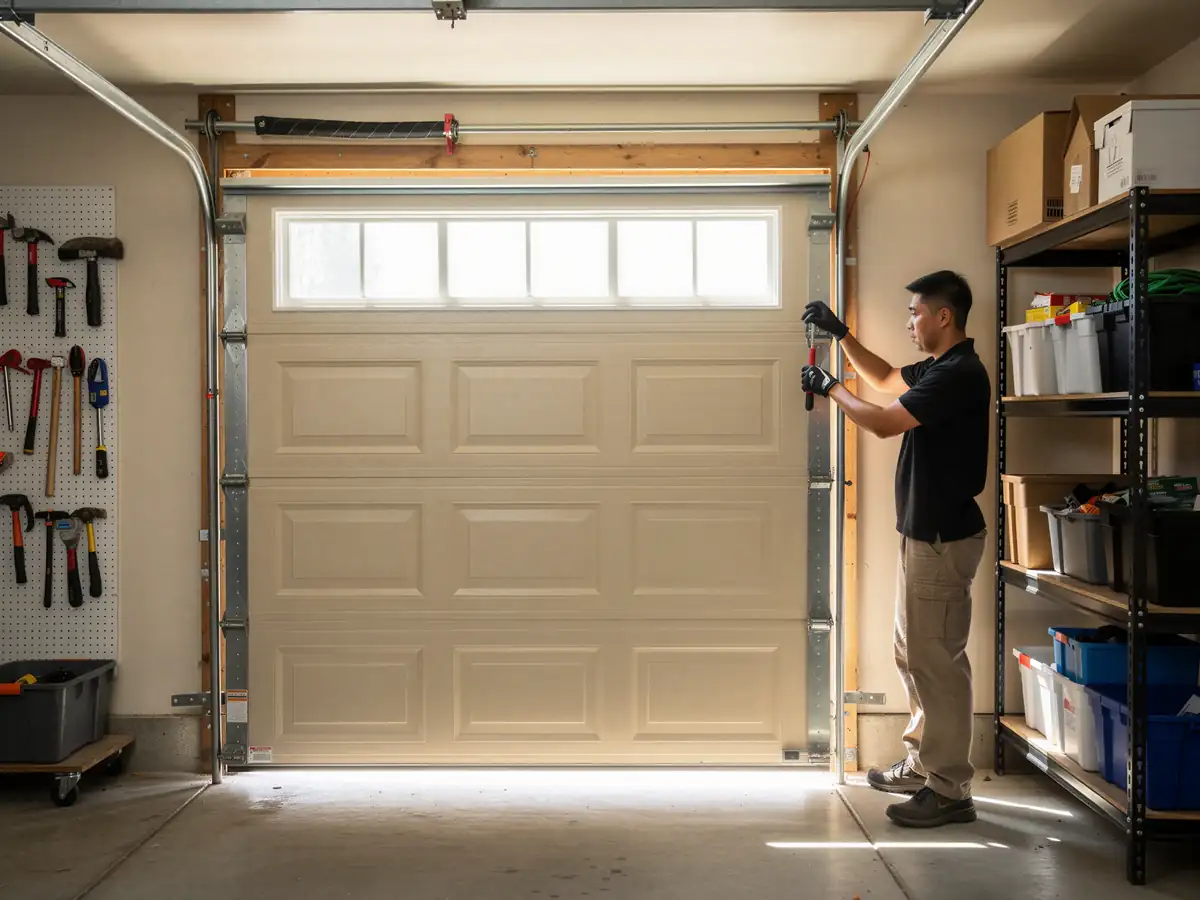
We run this call from Snellville, about 16 miles out, so we're not going to promise a slot the way a shop sitting on your street might. What we can tell you honestly: parts availability is usually the longer pole in the tent, not drive time. A modern torsion spring or opener logic board is stock on most trucks. The sprocket or circuit board for a mid-1980s chain-drive unit sometimes isn't, and if yours has already been patched once by a previous owner, we may need to confirm what's actually in the garage before we can promise a same-trip fix. If the repair is routine - a roller, a cable, a sensor - the whole job usually wraps on the first visit. If it's an original opener that nobody makes boards for anymore, replacement becomes the faster path, and we'll say so instead of chasing a part that may not show up.
What It Costs
We don't have a flat number to hand you here, and we're not going to invent one. What we can say is that household income in Scottdale runs around $82,778, noticeably higher than the $70,625 median across the broader service area, and in practice that shows up as more owners here choosing a full opener swap over a patched repair when the two costs land close together. A worn roller or a frayed cable is a small job regardless of the house. A dead circuit board on an opener old enough that the manufacturer has moved on three times is a different conversation, and we'll walk you through both options - repair and replace - before any work starts, not after.
Where This Job Goes Sideways
The mistake we see most with doors from this era is chasing a symptom instead of the cause. Someone replaces a noisy roller, the door quiets down for a month, and then the real problem - a chain-drive opener with a dying board - takes the door out anyway. On a house built around 1984, the opener and the springs are usually close in age, so when one fails, the other is often not far behind. Here's the honest limitation: we won't tell you a 40-year-old opener is worth rebuilding just to make the visit bigger. If the board is the kind nobody stocks anymore, patching it is a short-term fix at best, and we'd rather say that up front than sell you a repair that fails again in six months. Sometimes the right call is replacing the opener even though the door itself is fine.