Why This Fails Locally
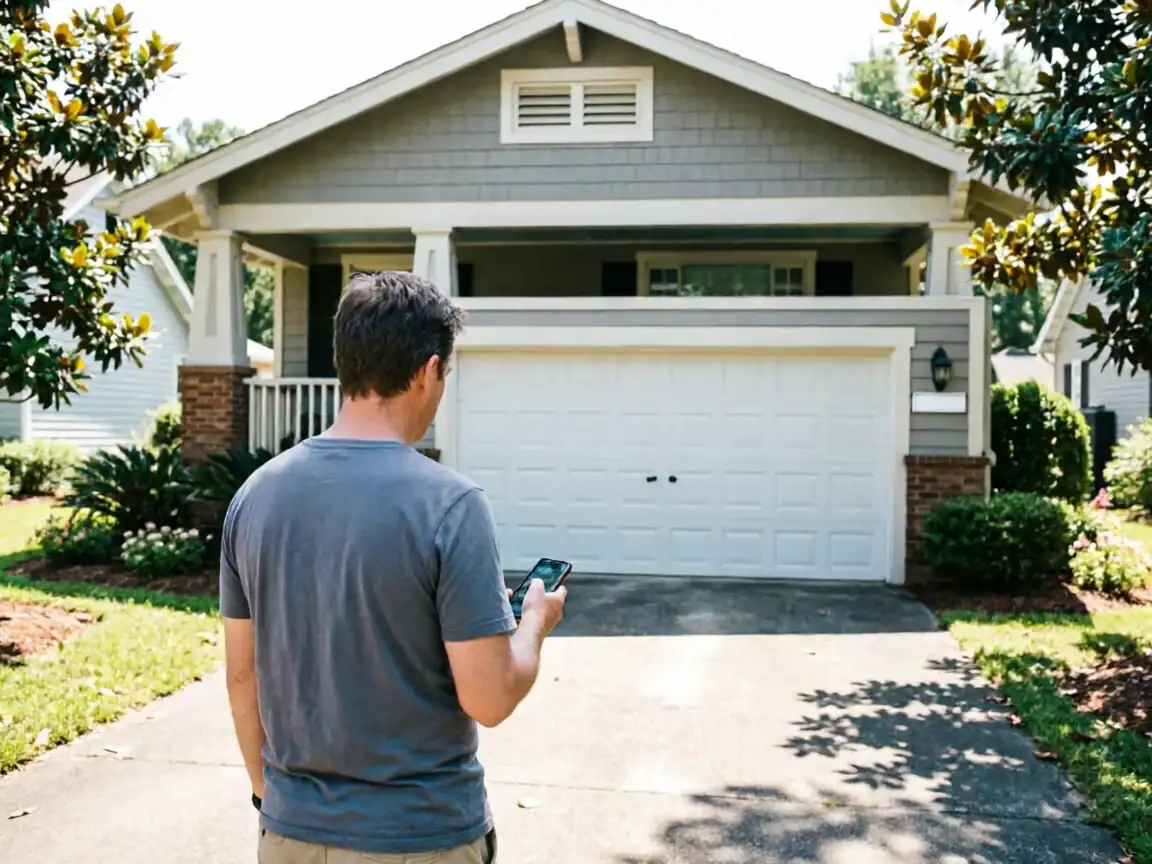
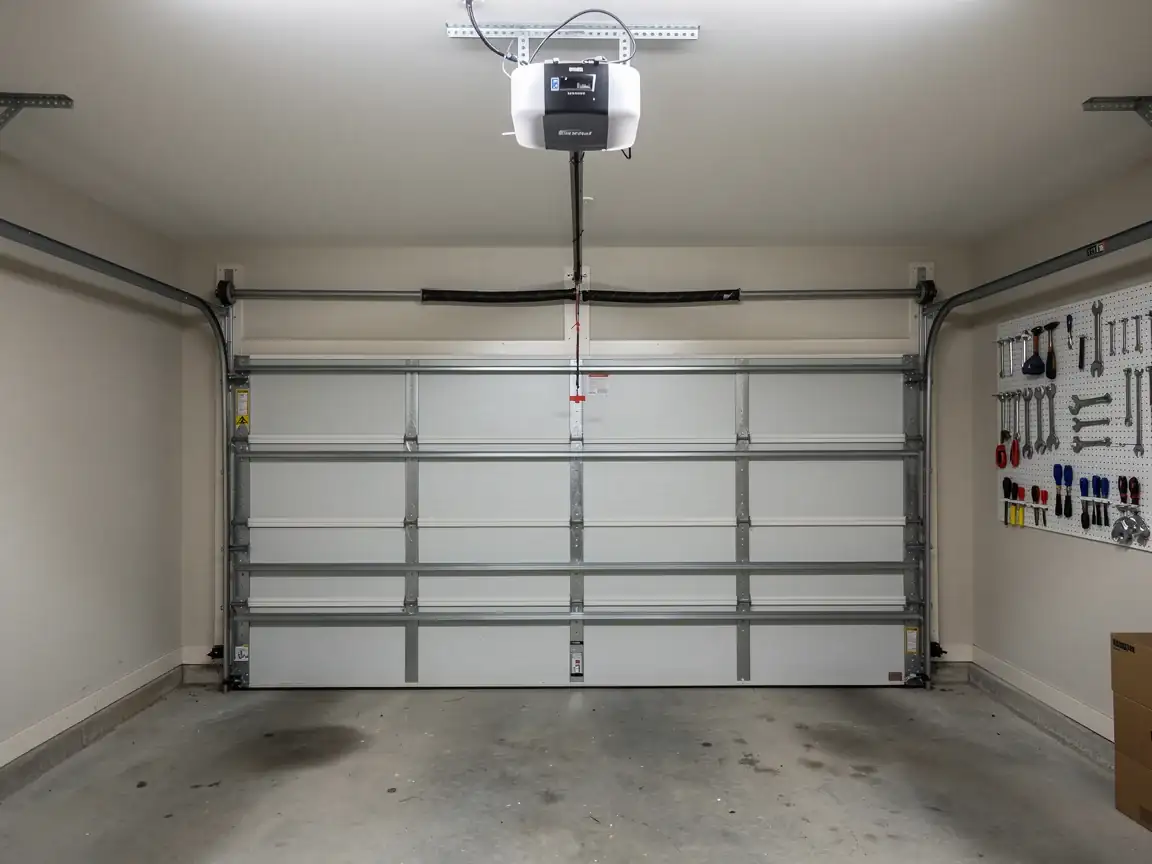
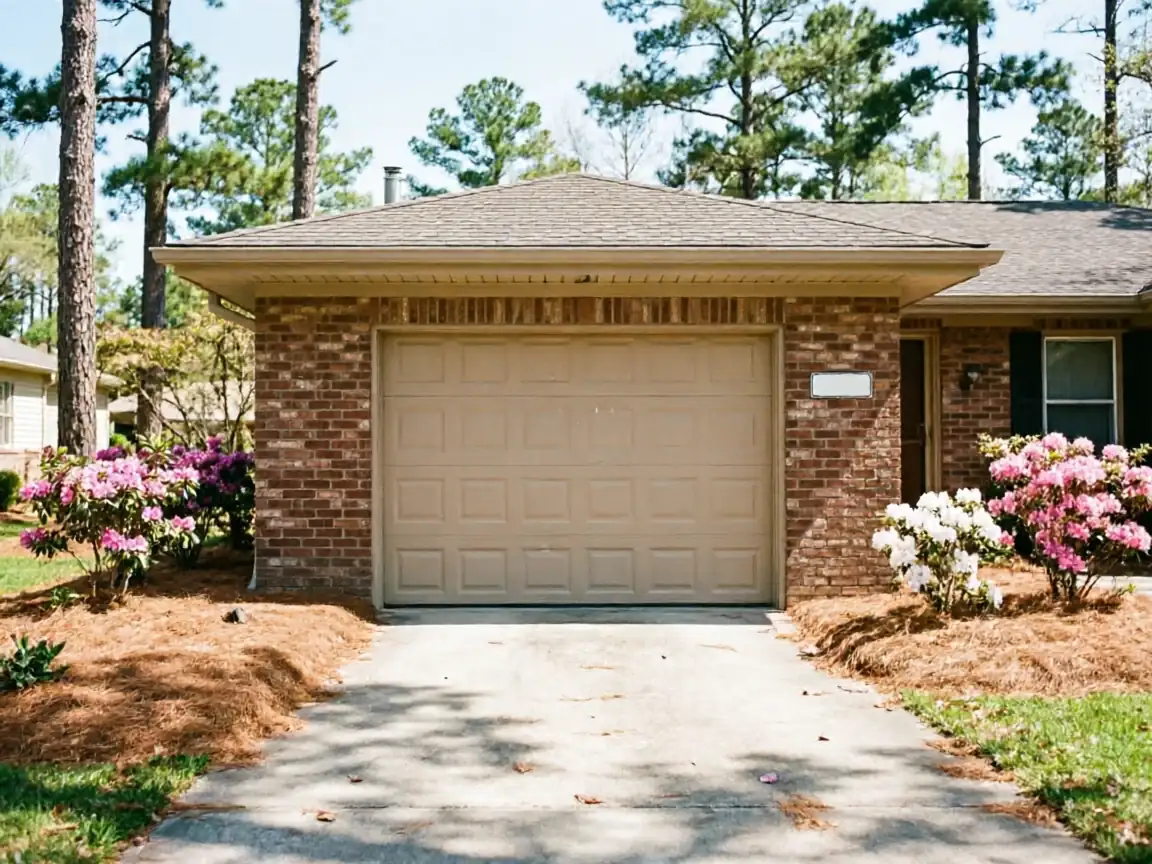
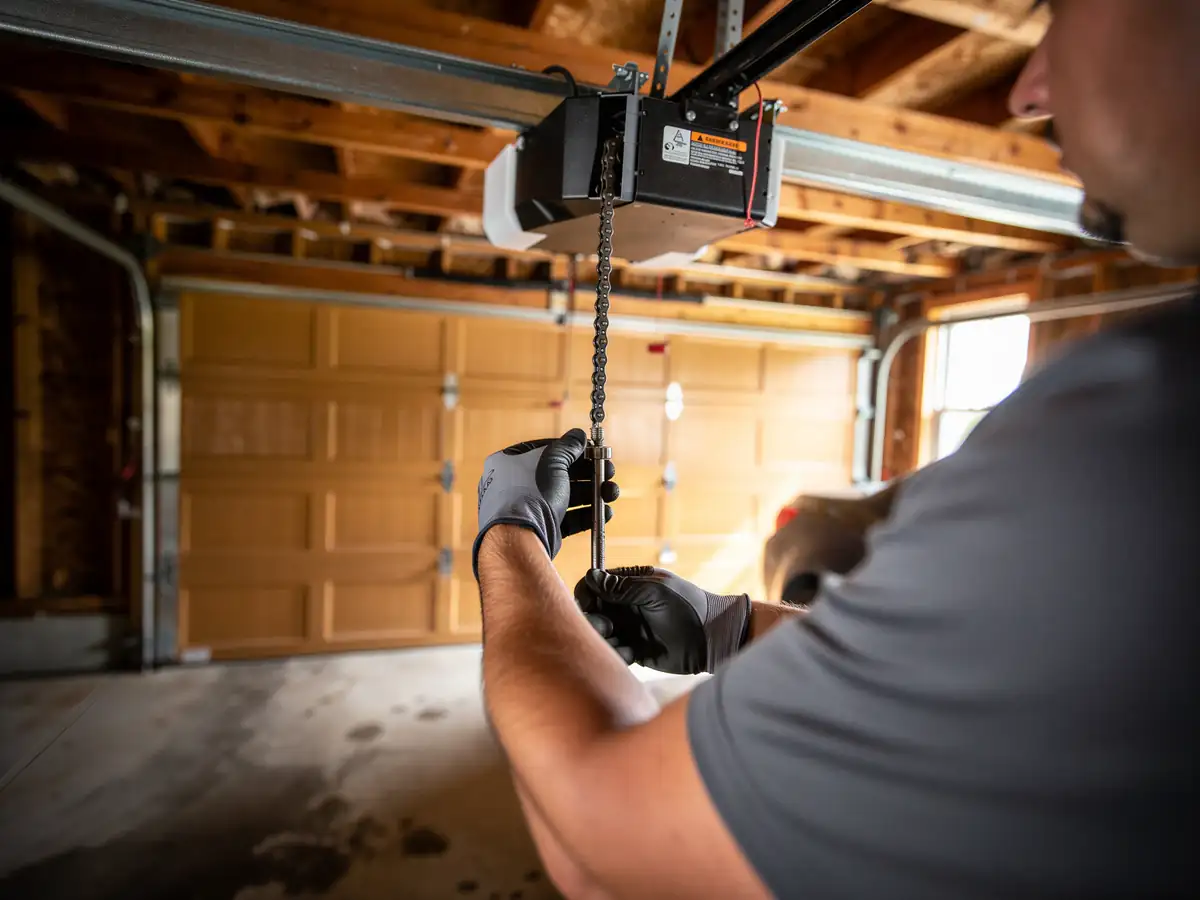
Scottdale is a small place - about 3,750 households, which means the opener calls we get from here aren't spread across every decade of hardware the way they are in a bigger market. They cluster. The median home here was built around 1984, a few years past the broader service area's median of 1978, which puts a lot of Scottdale garages on original or first-replacement chain-drive openers from the mid-1980s to early 1990s. Those units are now 35-40 years old. The logic boards, the capacitors, the motor windings - none of that was built to run four decades. What fails first is usually the circuit board, not the motor itself: it still hums, the light still comes on, but the door doesn't travel. That's a different repair than a tired motor, and it's the one we see most from this side of the area. Houses across the wider service area run from 1951 to 2012, with most of the stock dating to the 1960s and 70s - Scottdale sits a bit newer than that average, which changes what breaks and when compared to the older pockets nearby.
How Long You Are Without the Door
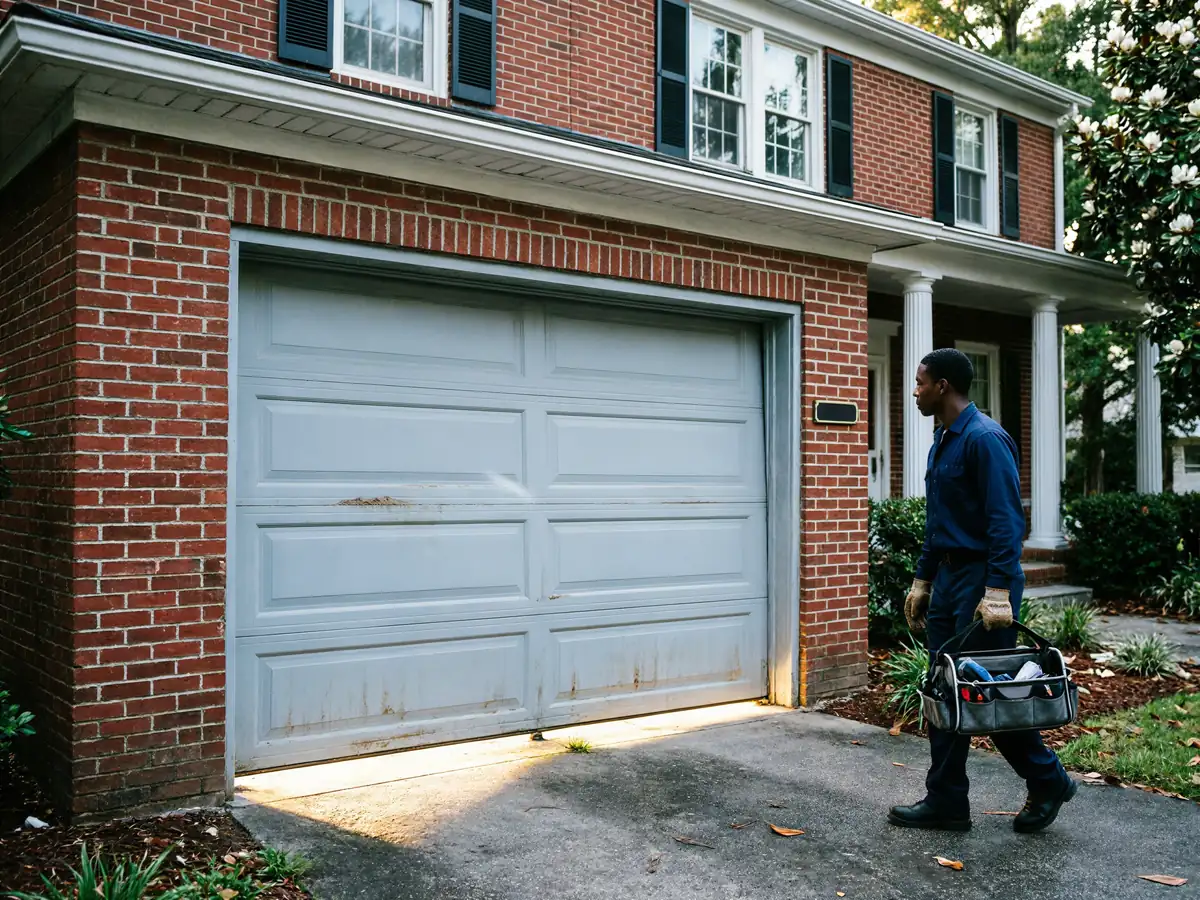
We're based in Snellville, about 16 miles out. There's no branch or drop point in Scottdale, so if your opener dies, you're waiting on a truck to make that drive - we won't pretend otherwise. For openers this old, the bigger delay usually isn't the drive, it's the part. A logic board for a unit discontinued in the early 90s isn't sitting on a shelf anywhere; if the board's dead and not the whole unit, we may need to source it or just recommend replacement outright, because chasing an obsolete board can cost more in wait time than a new opener costs in dollars. If the motor itself is still good and it's a sensor, limit switch, or gear issue, that's same-visit work.
What It Costs
We don't have a set price to quote here without seeing the unit - a sensor realignment and a full logic board swap are two completely different jobs, and an 80s-era chain-drive opener that needs replacing entirely is a bigger ticket than a repair. What we can say: Scottdale's median household income runs higher than the broader service area's $70,625, and in practice that means more owners here choose full replacement with a newer belt-drive unit once a board fails, rather than hunting down a part for a 35-year-old motor. Neither choice is wrong. We'll tell you straight which one makes sense once we've looked at what's actually failed.
Where This Job Goes Sideways
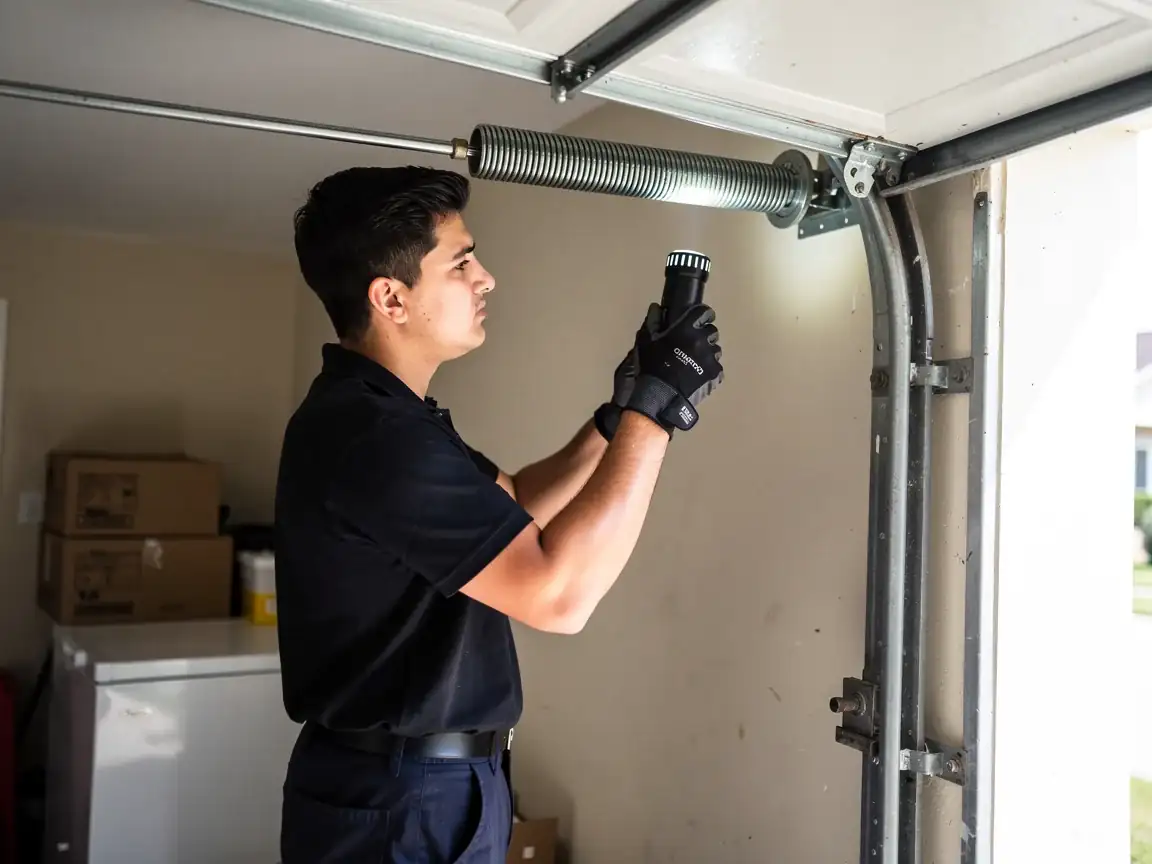
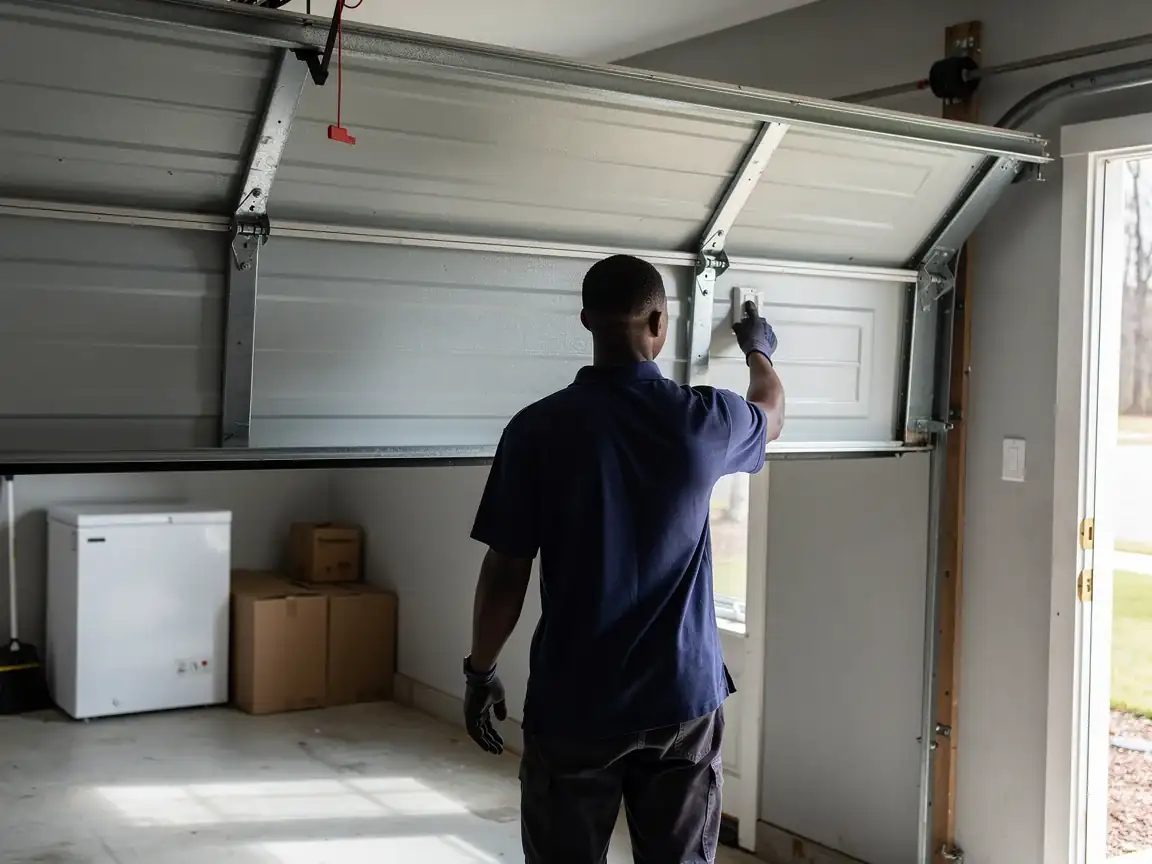
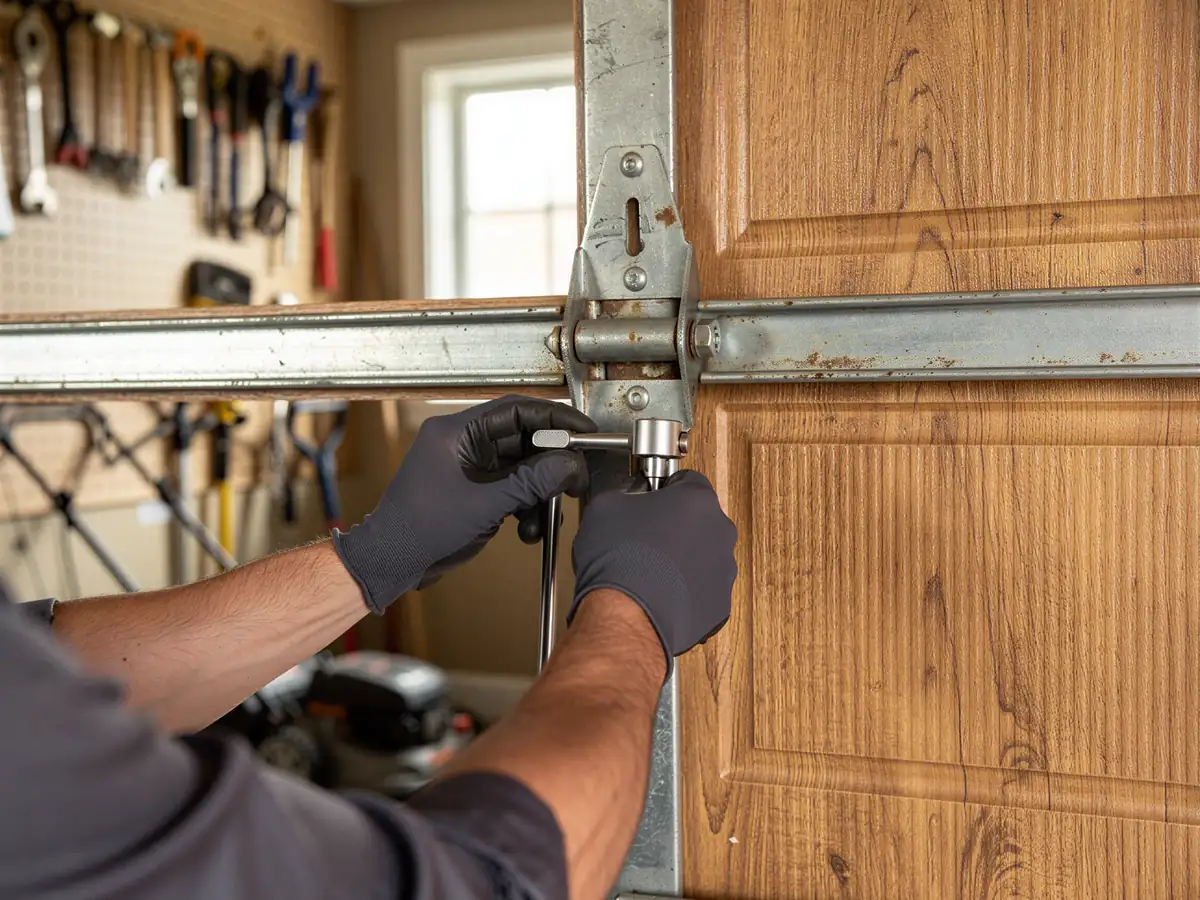
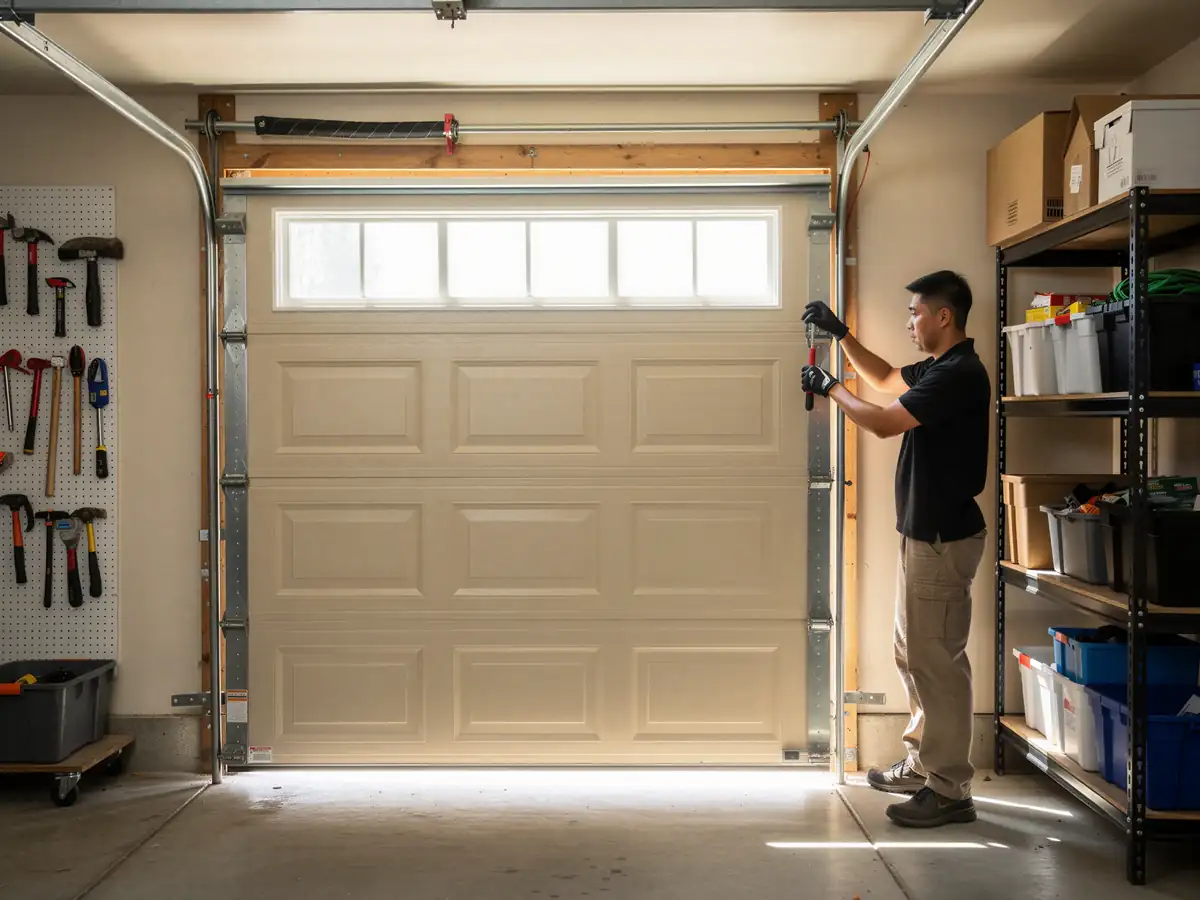
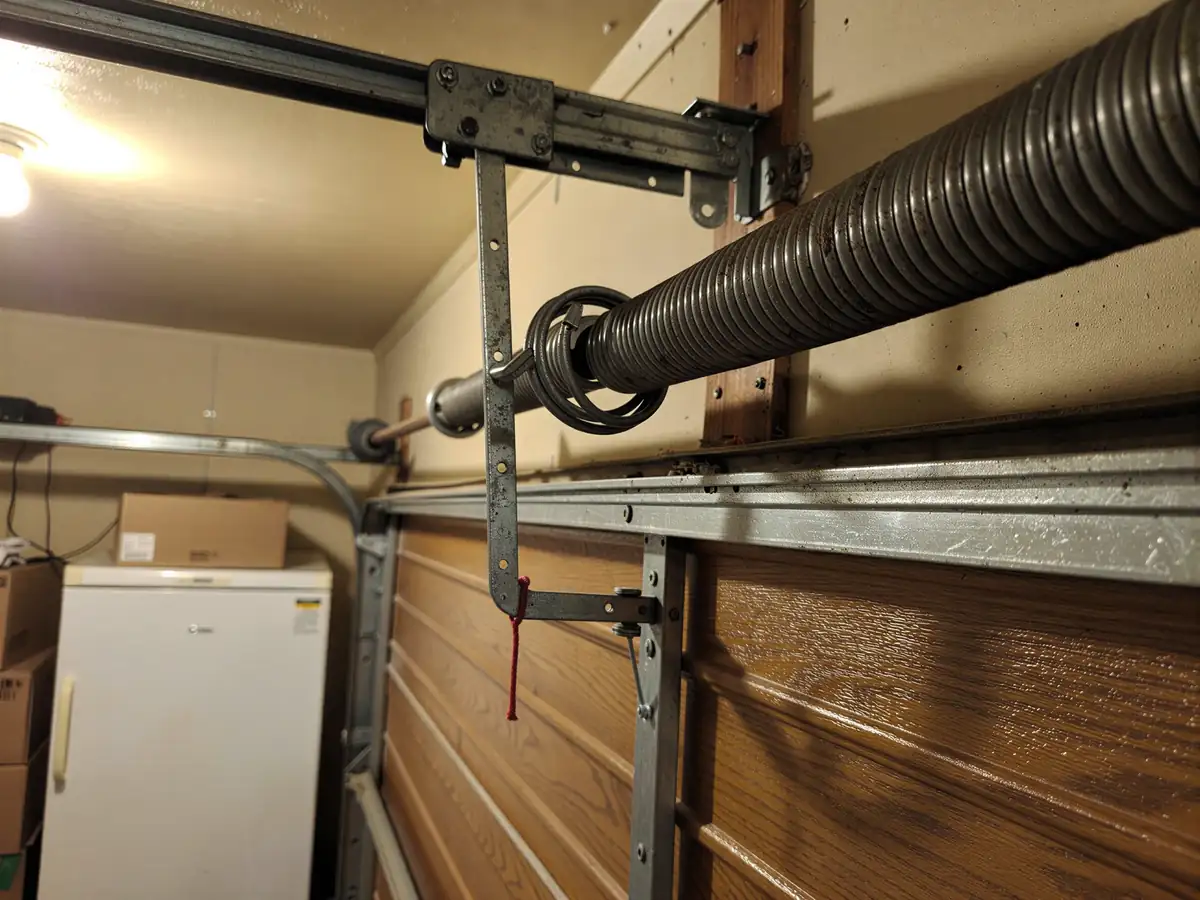
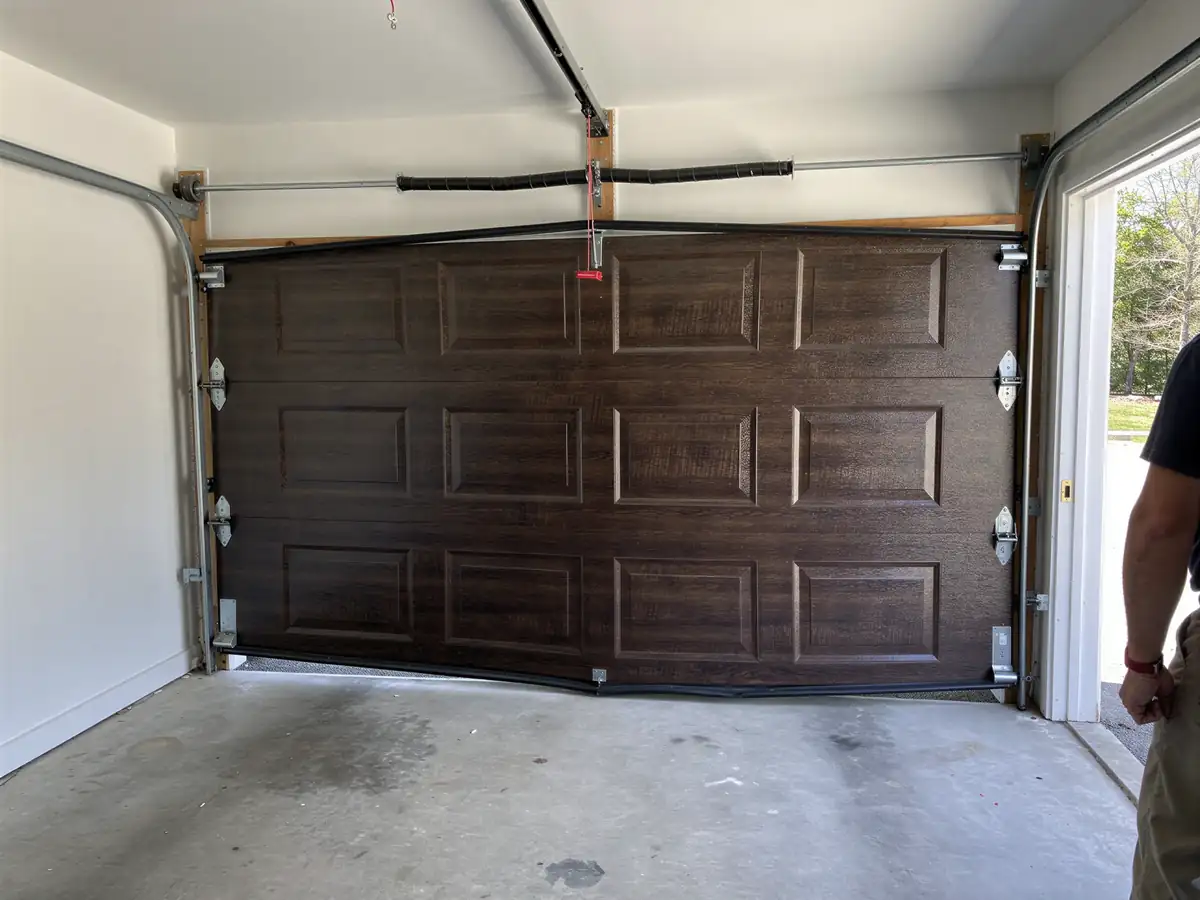
The usual trap with a house this age is mismatched parts - a newer logic board bolted onto an old motor housing, or a universal remote kit that doesn't fully talk to the safety sensors. We see it when a previous owner did a partial fix instead of a full swap. The other issue is winter. This area sits in a cold-moderate climate band, and on the coldest mornings an aging opener motor that's already marginal will stall or trip its thermal overload trying to lift a door that's stiffer than usual from cold grease in the tracks. It looks like an opener failure. Sometimes it's really the door fighting the opener, not the opener itself failing - which is why we check the door's balance before we touch the opener on an older unit.