Why This Fails Locally
Scottdale sits about 16 miles from our shop in Snellville, which puts it on the far edge of a same-day route rather than the first stop of the morning. That drive shapes how a call here actually runs - we build it into the schedule block with other jobs on that side of the area, not as a stand-alone emergency run.
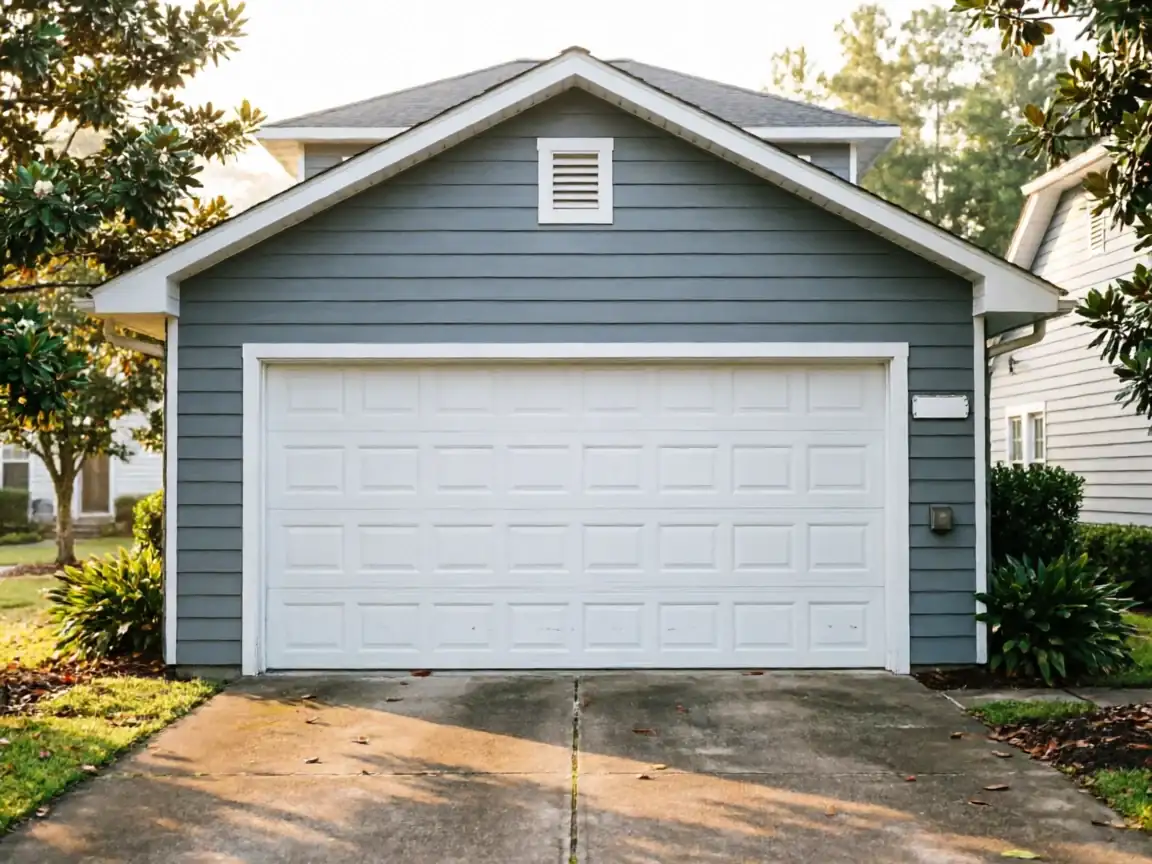
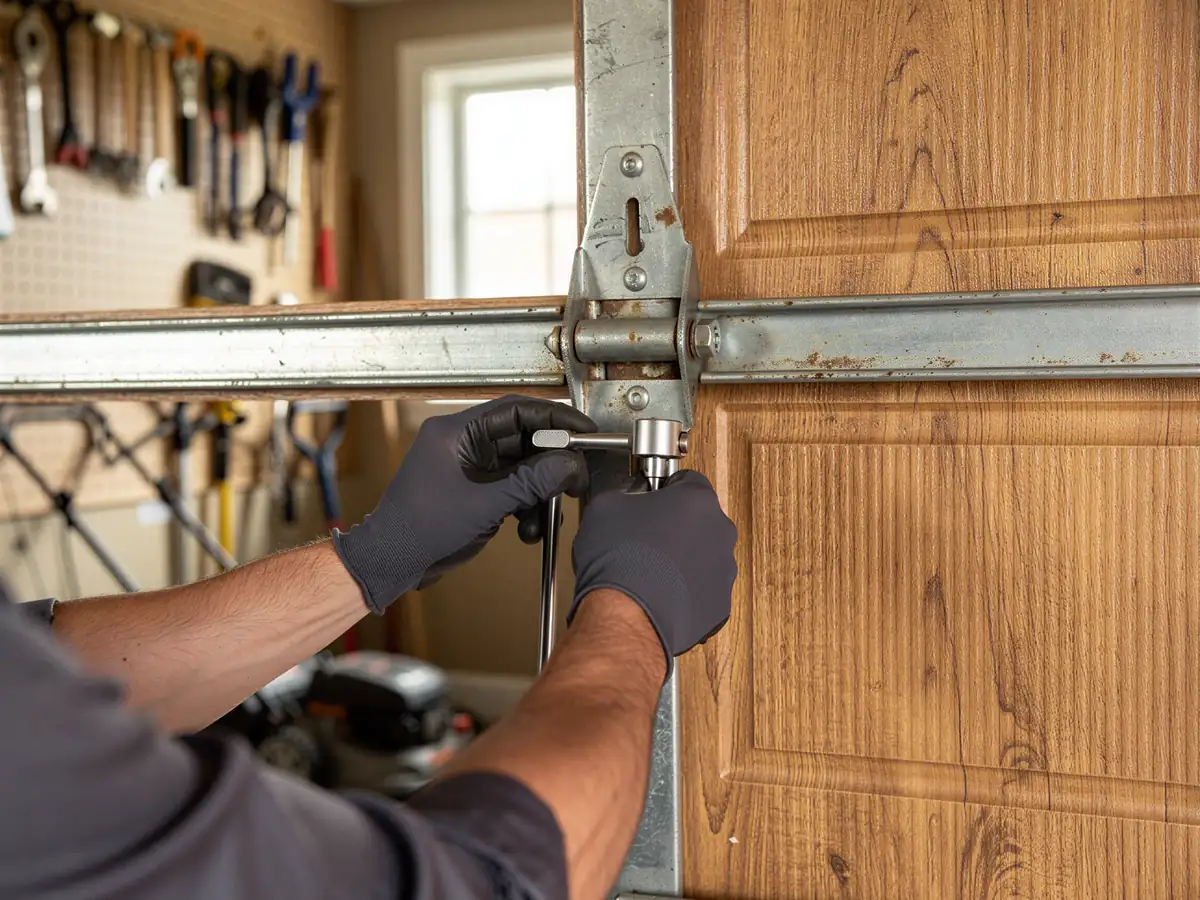
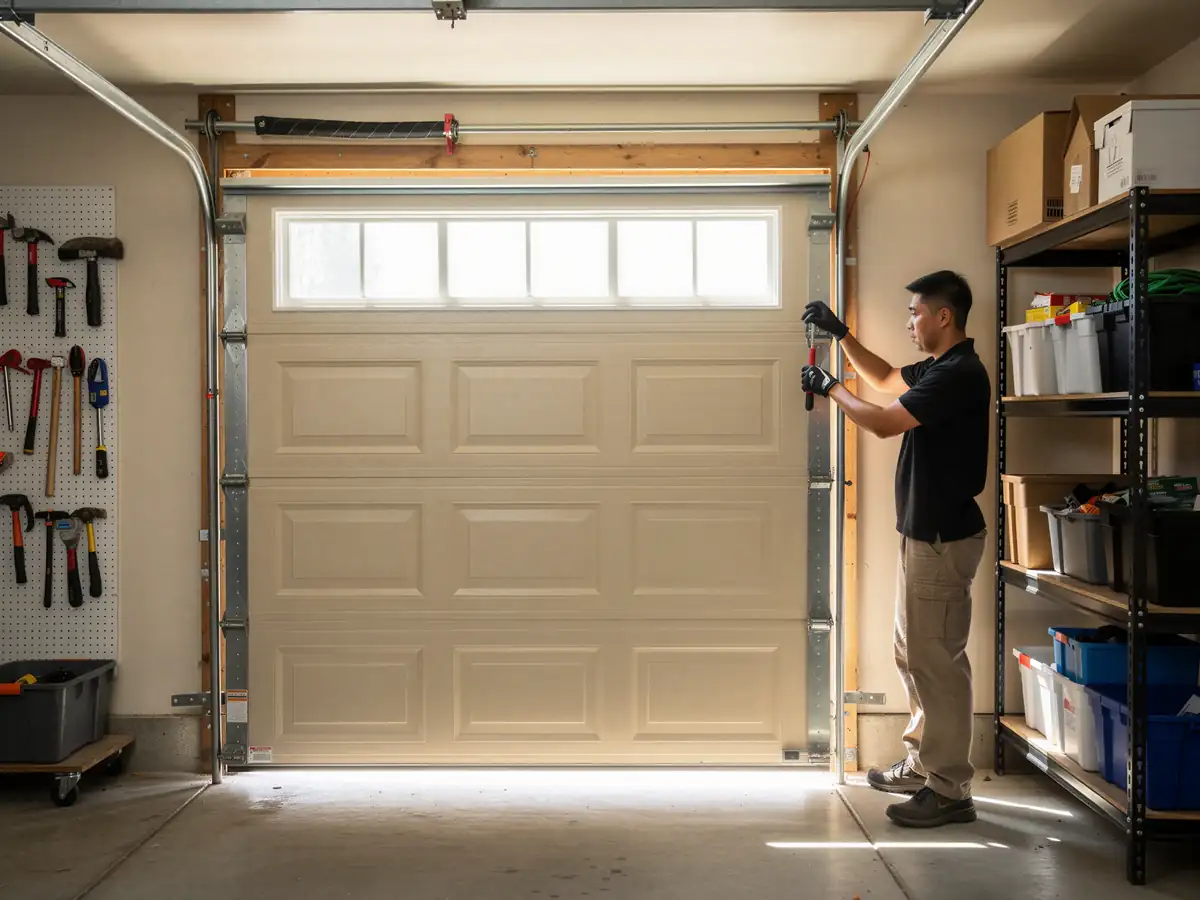
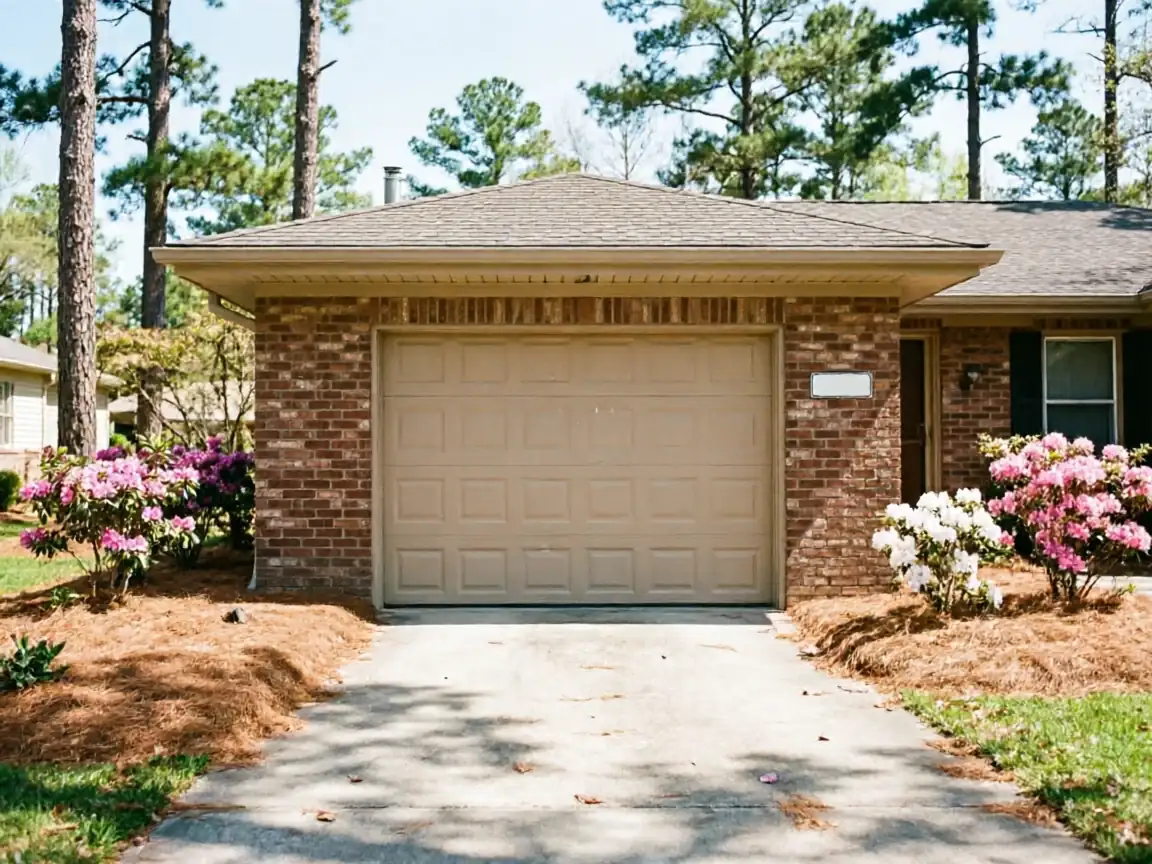
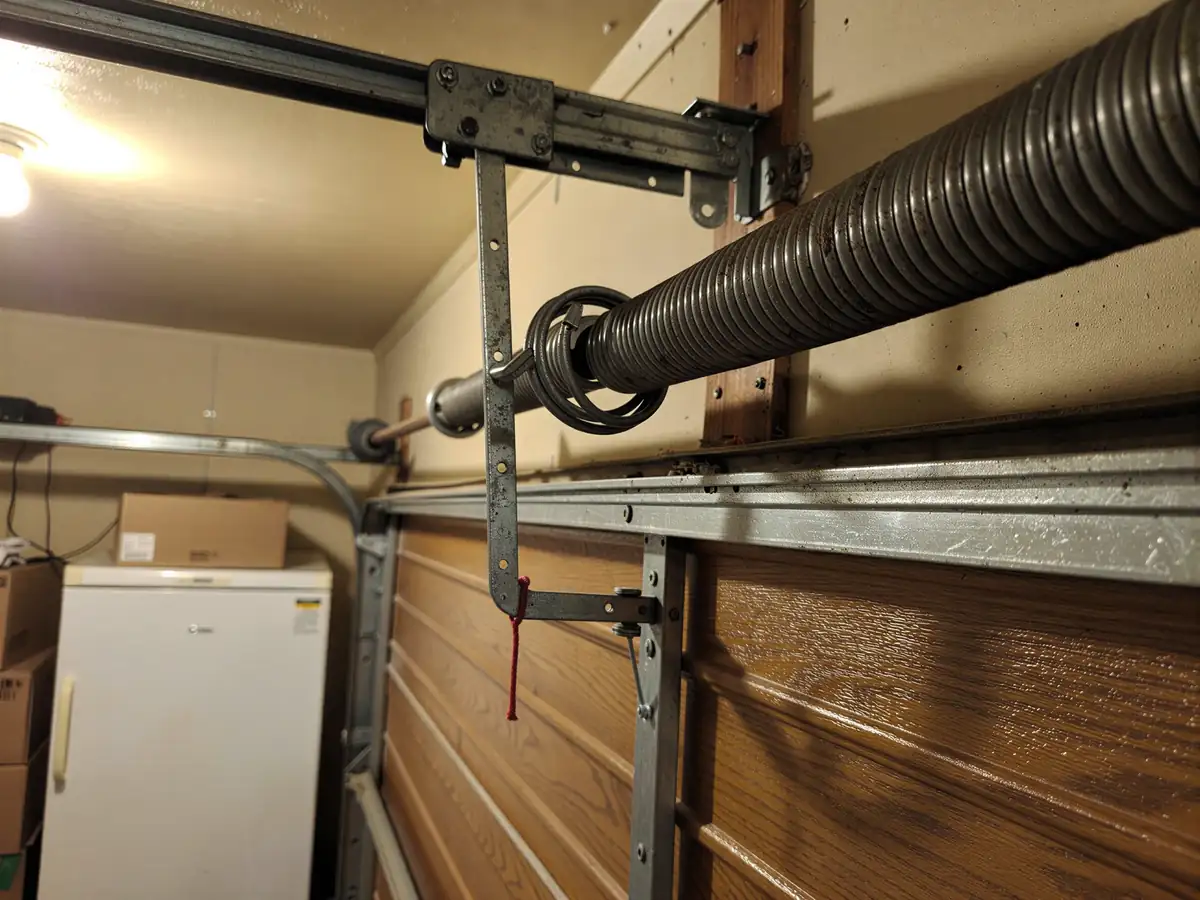
The housing stock plays a bigger role in what we find once we're on site. Most homes in Scottdale went up around 1984, a few years past the 1978 median for the wider service area we cover out of Snellville. That gap matters: garages built in the early-to-mid 1980s almost universally got steel sectional doors on galvanized track with nylon rollers, replacing the wood panel doors and looser-tolerance track common in the 1960s-era stock elsewhere in the area. When one of these doors jumps track, it's usually a roller that's worn through its bracket or a hinge that's pulled loose, not the warped wood panel we see on an older door a few towns over.
How Long You Are Without the Door
A 16-mile tow from Snellville means a Scottdale call sits later in the day's loop than a job five minutes from the shop. We're not a dispatch center with a truck idling at the edge of town, so same-day is the realistic promise here, not an hour-window guarantee.
The region sits in a cold-moderate climate band, which means an off-track door left open overnight in January costs you more than it would in July - heat loss, pipes near the garage wall, the usual list. If the door is still on its track but binding, you can usually leave it down and wait for the scheduled visit. If it's hanging off one roller or torn loose at a hinge, don't force it up and down on the opener; that's how a bent track becomes a bent track plus a stripped gear.
Booking a Visit
With roughly 3,750 households in Scottdale
A small slice of the 56,295 households across the whole area we serve out of Snellville - this isn't a street where we're already working most weeks. Call ahead and tell us what you're seeing: door hanging at an angle, a roller visible outside the track, a gap at one corner. That description is what lets us load the right roller size and track section before the drive, instead of diagnosing from scratch once we're there.
You can start that call from the Scottdale service page
Which covers the rest of what we handle in the area beyond this one failure.
What It Costs
We don't post a flat number for off-track repair because what's actually wrong varies more than people expect - a single bent roller bracket is a different job than a track that's pulled away from the frame on both sides. What we can tell you: Scottdale's median household income runs $82,778, well above the $70,625 average across the wider area, and in practice that tends to mean homeowners here ask for the door fixed right the first time rather than a patch that holds for a season. We price the job after we've looked at the track, the rollers, and whether the opener forced the door against resistance before anyone noticed. If a track is only cosmetically dented but still running true, that's a repair. If it's bent enough that the door binds no matter how we adjust it, replacing that section is usually cheaper long-term than fighting it twice.
Where This Job Goes Sideways
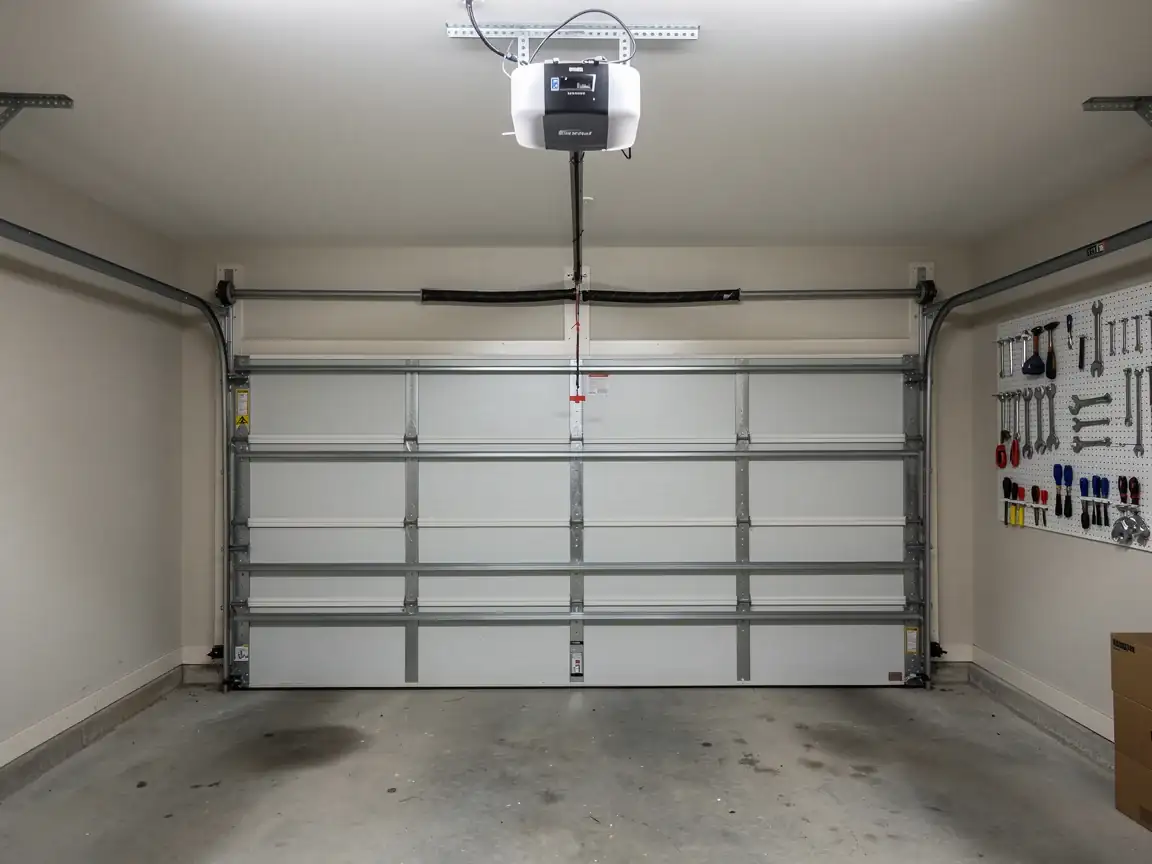
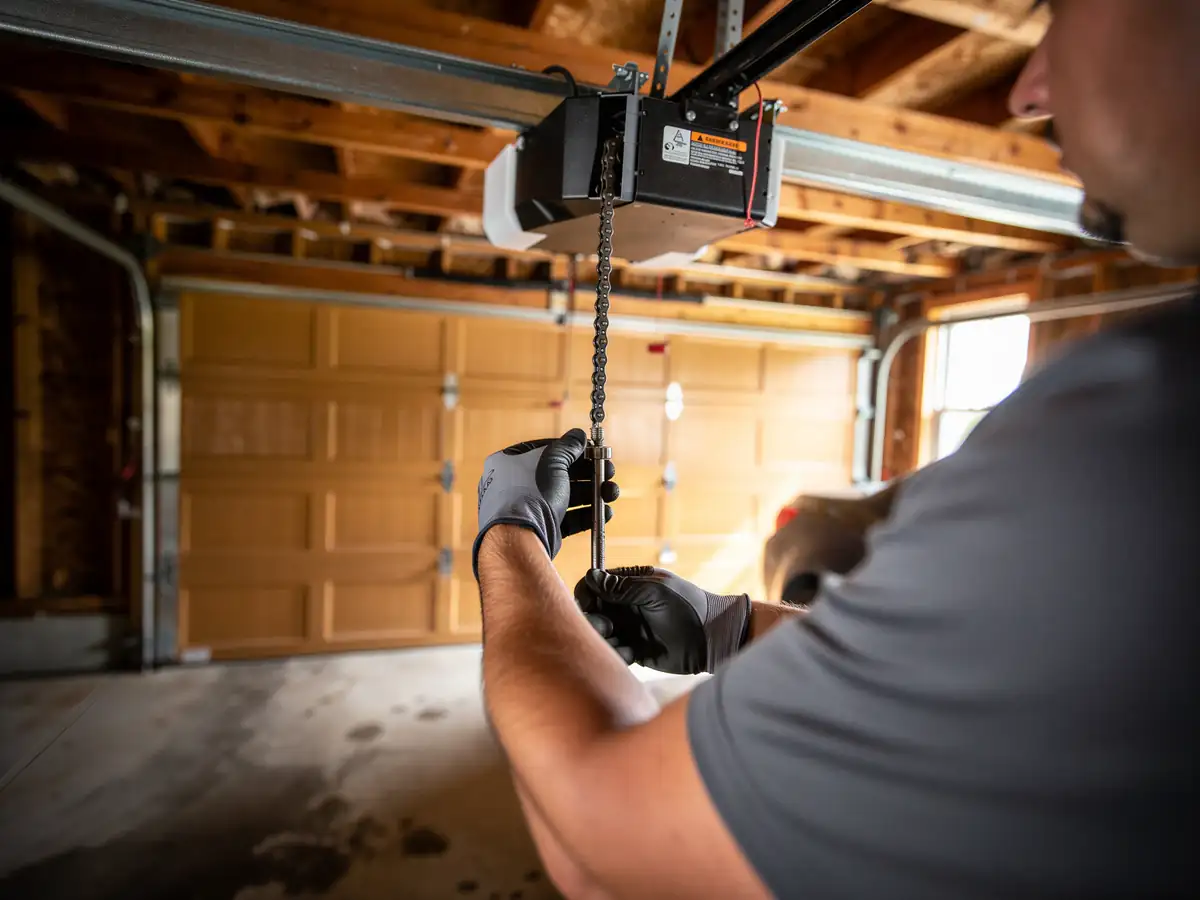
The most common way an off-track call turns into a bigger job is the opener. If someone kept hitting the button after the door jumped the track, the opener has likely forced the carriage and trolley past where they should stop, and that hardware needs a look too, not just the track. We'll tell you flat out when that's happened - it usually is, since nobody notices a door is off track until the opener's already fighting it.
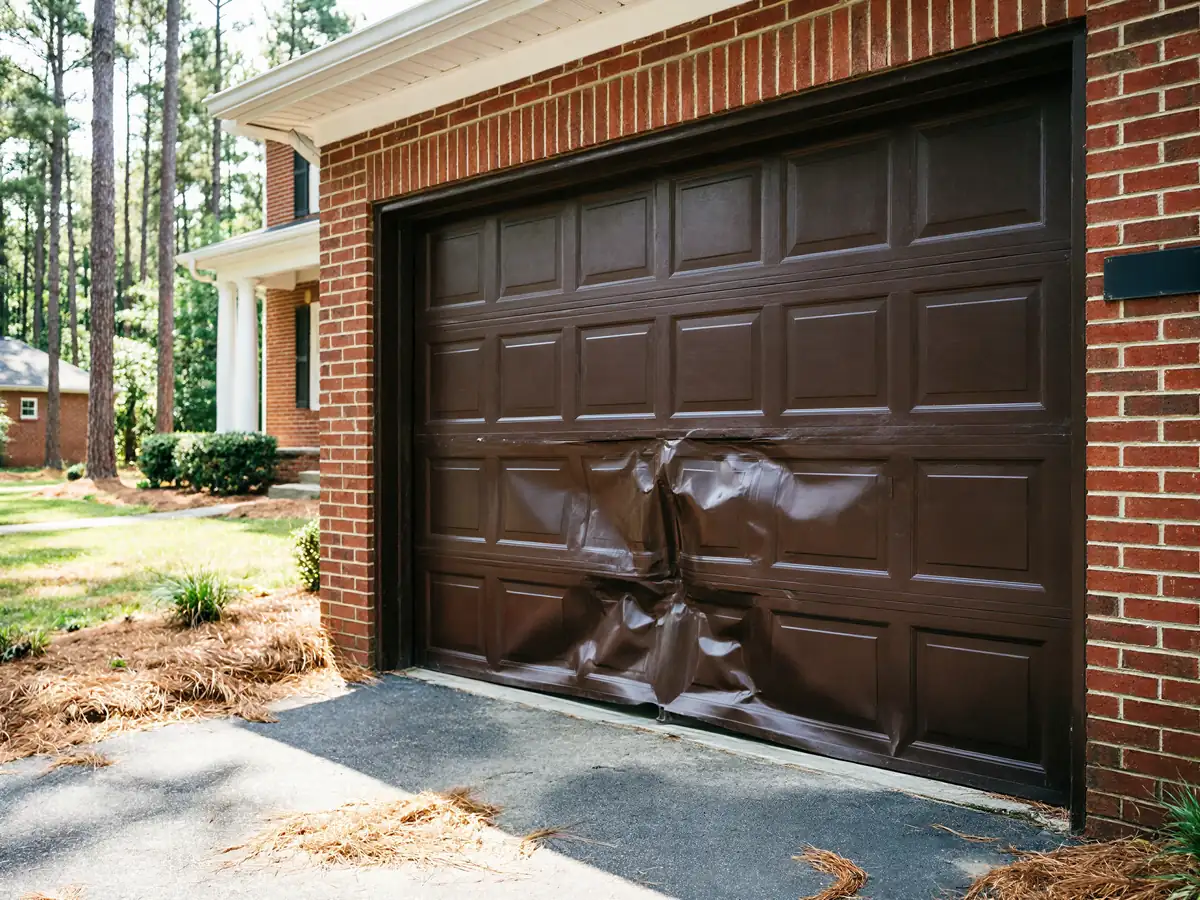
Our honest limit here: if the track is pulled loose from the framing in more than one spot, or the door panel itself is bent from being forced, we're not going to spend an hour trying to save a track section that will loosen again in a month. That's a replacement conversation, not a repair one, and we'd rather tell you that on the first visit than bill you twice.
How It Shows Up
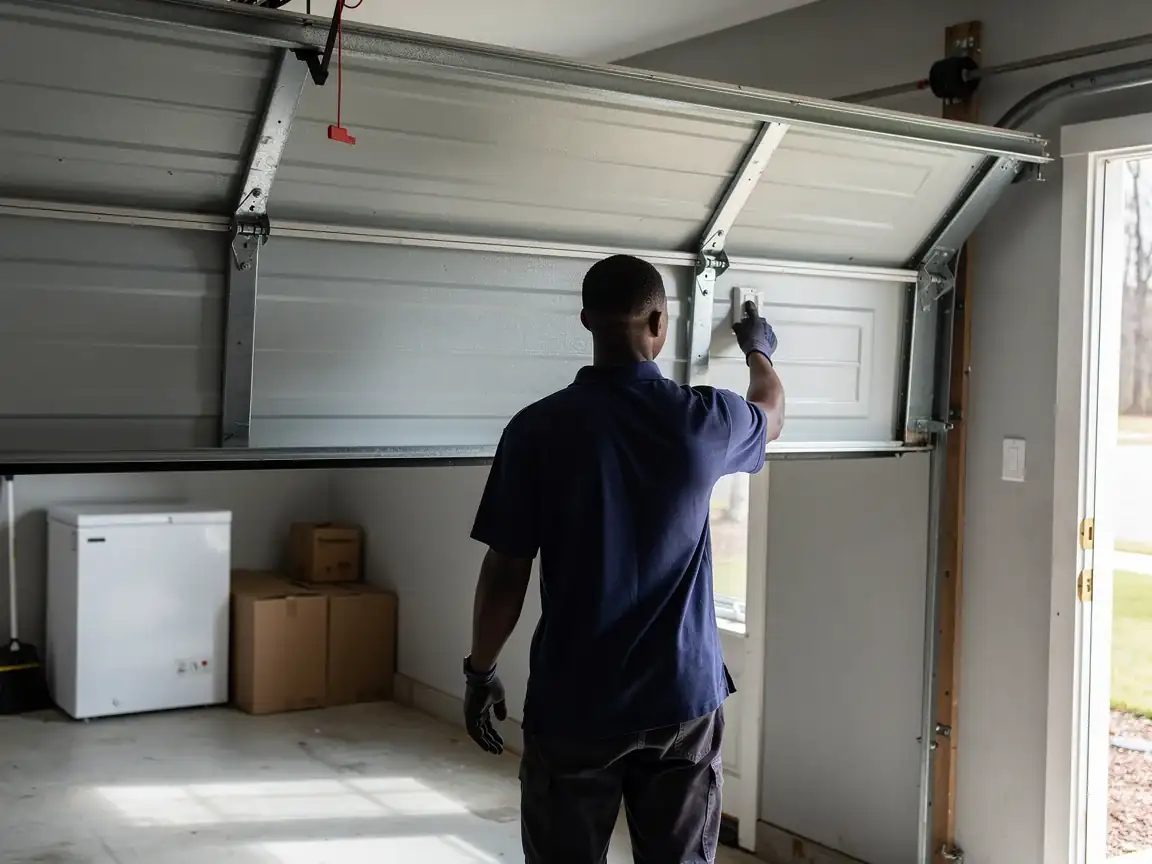
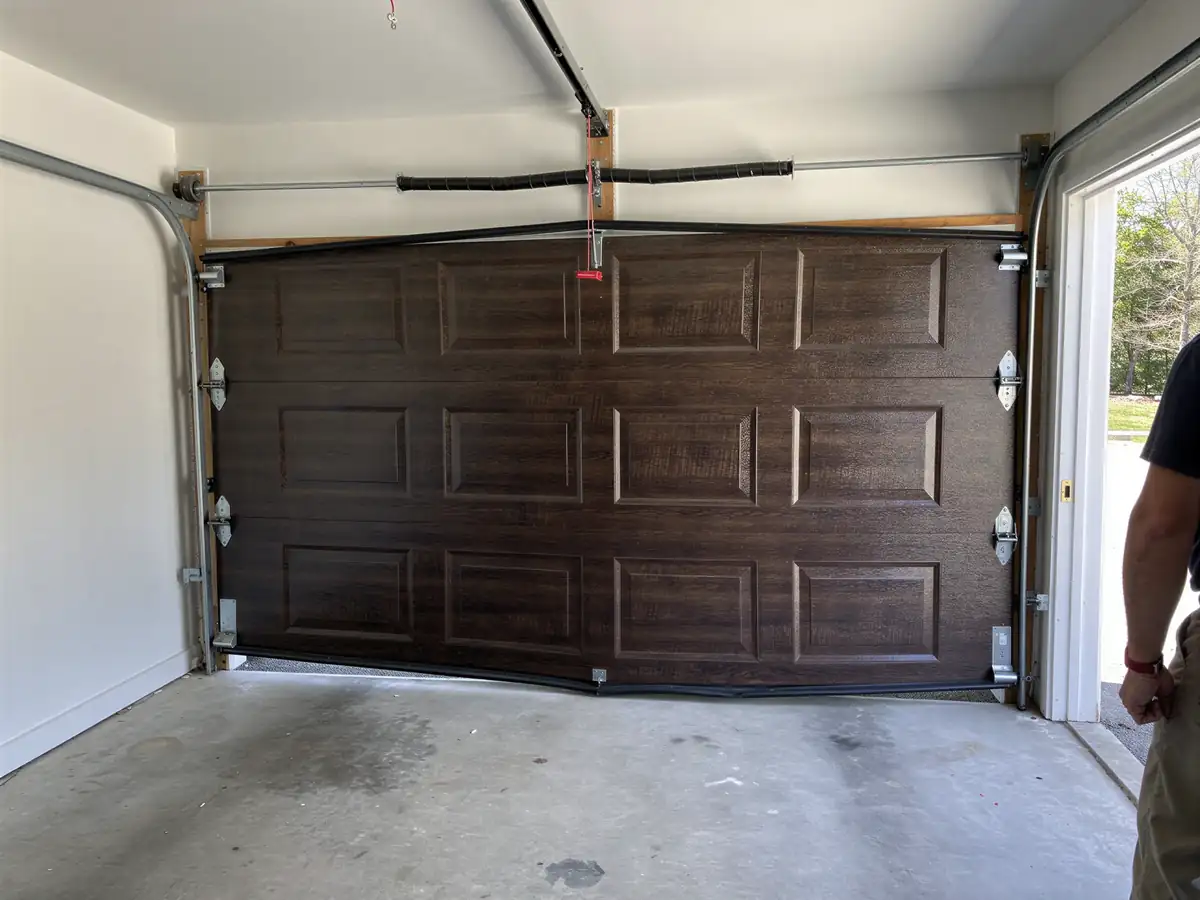
The door looks crooked when it's partway open
One side higher than the other, a visible gap between the bottom panel and the floor on one corner. You might hear a grinding or popping sound right before it happens, usually a roller giving way under a bracket that's been loosening for months. Sometimes it's quieter: the door simply won't go all the way down, stopping a few inches short and reversing, because a roller has come off the track and is catching on the frame.
On the steel sectional doors common in Scottdale's 1980s-era housing
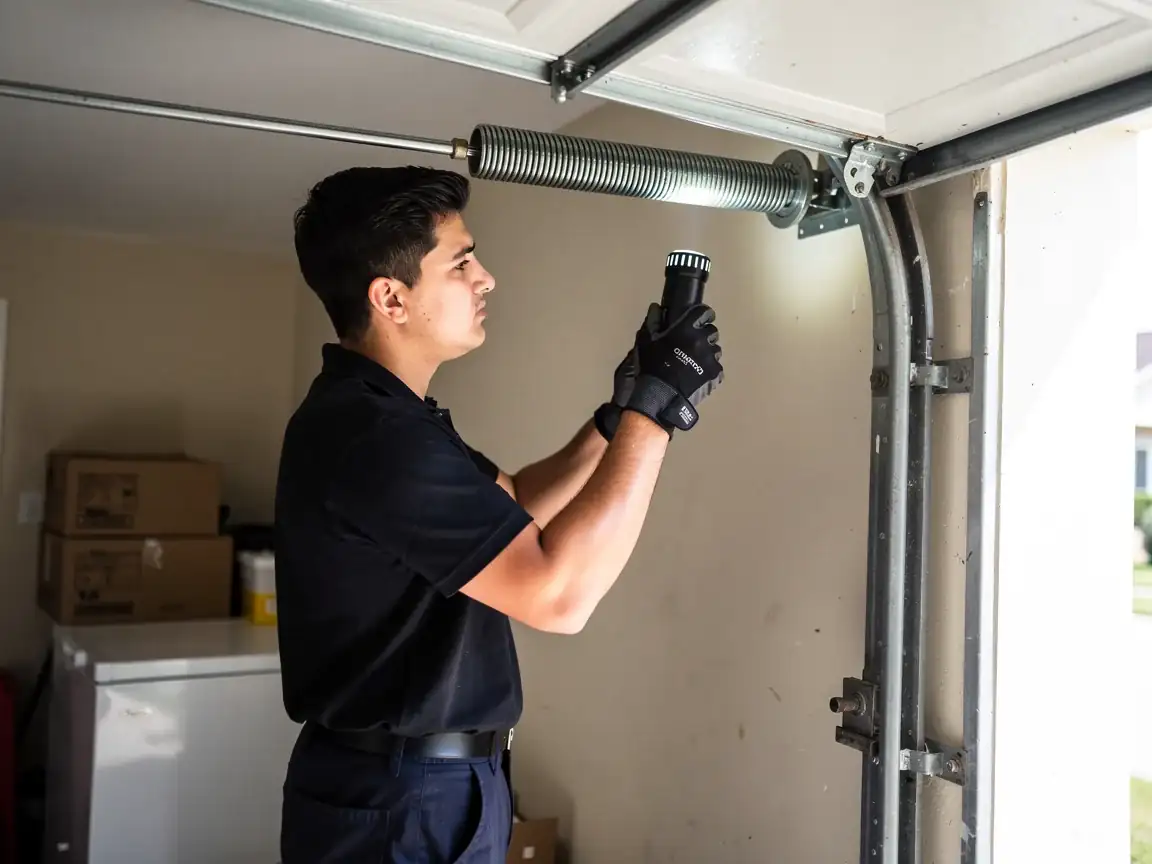
This usually traces back to a worn nylon roller or a hinge bolt that's backed out over years of use, not a structural problem with the door itself. Catch it at that stage and it's a straightforward fix. Keep running the opener against it and you risk bending the track or cracking a panel, which turns a roller swap into a bigger job.